
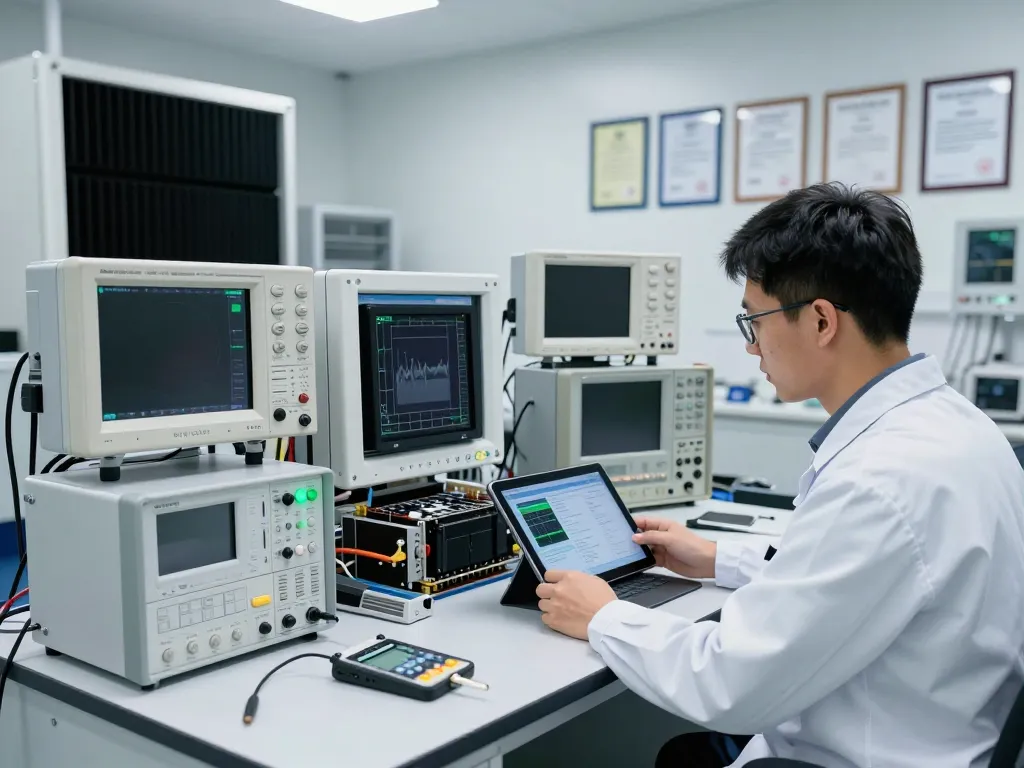
Understanding Automotive EMC Testing
As the automotive industry reaches new heights in technology and innovation, the importance of electromagnetic compatibility (EMC) has become more pronounced than ever. Automotive EMC testing is critical for ensuring that the electronic systems within vehicles can operate effectively without causing or succumbing to electromagnetic interference. This vital process not only safeguards vehicle performance but also enhances safety and compliance with regulatory standards. When exploring options, Automotive EMC testing provides comprehensive insights into developing vehicles capable of meeting these stringent requirements.
What is Automotive EMC Testing?
Automotive EMC testing involves evaluating the electromagnetic compatibility of vehicles and their components to ensure they function correctly without causing electromagnetic interference (EMI) or being affected by it. This includes assessing how well a vehicle’s electronics can operate amidst the electromagnetic environment found in daily life and on the road. The testing process involves a series of evaluations, including emission and immunity tests, which measure how much electromagnetic energy is emitted by the components and how well they can operate when subjected to external electromagnetic fields.
The Importance of EMC in Modern Vehicles
Modern vehicles are equipped with a plethora of electronic systems that control everything from engine management to entertainment features. As a result, the risk of interference is higher than ever. EMC testing is crucial for:
- Ensuring Safety: Improper functioning of electronic systems due to EMI can lead to malfunctions that compromise safety.
- Maintaining Performance: EMC testing helps ensure that components operate efficiently under various conditions, maintaining vehicle performance.
- Regulatory Compliance: Manufacturers must meet specific EMC regulations to ensure their vehicles are marketable and safe.
Key Standards and Regulations for Automotive EMC Testing
Automotive EMC testing must comply with various standards to ensure quality and reliability. Key standards include:
- IEC 61000: Comprehensive standards governing EMC testing.
- ISO 16750: Specifies testing requirements for electrical and electronic equipment in road vehicles.
- CISPR 12 and CISPR 25: Cover limits and methods of measurement of radio disturbance characteristics of vehicles.
Challenges in Achieving Automotive EMC Compliance
Despite the importance of EMC testing, many manufacturers face challenges during the compliance process. Understanding these obstacles can help organizations better prepare and navigate the complexities involved.
Common Issues Encountered in EMC Testing
Some common issues manufacturers might encounter during automotive EMC testing include:
- Inadequate Testing Facilities: Not all testing labs offer the advanced technology necessary for comprehensive EMC evaluations.
- Poor Design Choices: Early design decisions can significantly impact the EMC performance of a vehicle.
- Time Constraints: The pressure to bring products to market quickly can lead to insufficient testing, resulting in compliance failures.
Pitfalls to Avoid During the Testing Process
To streamline the compliance process, it’s essential to avoid common pitfalls such as:
- Neglecting Pre-Compliance Testing: Conducting initial tests can help identify issues early on, saving time and resources.
- Ignoring Regulatory Updates: Staying current with evolving regulations is vital to ensure compliance.
- Overlooking System Interactions: Understanding how different electronic systems interact can prevent unforeseen interference issues.
Expert Insights on Overcoming Compliance Challenges
Experts recommend employing a systematic approach to overcome EMC compliance challenges, including:
- Investing in Advanced Testing Facilities: Partner with labs equipped to handle your specific testing needs.
- Incorporating EMC Considerations in the Design Phase: Integrating EMC compliance during the design process can mitigate many problems.
- Continuous Learning: Regular training for the team on the latest EMC testing techniques and regulations is crucial.
Advanced Testing Technologies and Practices
As automotive technologies evolve, so do the methods and tools used for testing. Staying updated with advanced practices can significantly enhance the efficacy of EMC testing.
Overview of Cutting-Edge Testing Equipment
Today’s automotive EMC testing utilizes cutting-edge equipment to achieve accurate results. Key technologies include:
- Shielded Chambers: These provide controlled environments for emission and immunity testing.
- Anechoic Chambers: Used for emissions testing, these chambers absorb sound and electromagnetic waves, creating a reflection-free environment.
- Automated Testing Systems: These systems streamline the testing process, allowing for quicker and more accurate assessment.
Innovative Techniques for Enhanced EMC Testing
In addition to advanced equipment, new techniques are improving the effectiveness of EMC testing, including:
- Software Simulations: Utilizing simulation tools to predict EMC performance before physical testing can save time and materials.
- Pre-Compliance Testing: Conducting preliminary tests to identify potential EMC issues early in the design cycle.
- Real-World Testing Conditions: Simulating real-world conditions in testing protocols helps ensure reliable results applicable to actual driving situations.
Case Studies: Success Stories in Automotive EMC Testing
Successful instances of automotive EMC testing highlight the efficacy of in-depth analysis and adherence to best practices. One notable case involved a major manufacturer that identified significant emissions issues during pre-compliance testing, allowing them to adjust their design to meet regulatory standards before launch. This proactive approach not only ensured compliance but also enhanced vehicle performance and reliability.
Best Practices for Ensuring EMC Compliance
To navigate the complexities of automotive EMC testing, manufacturers should adopt best practices that streamline processes and ensure reliability.
Consultation and Pre-Testing Strategies
Engaging in thorough consultations with EMC experts before testing can significantly enhance outcomes. This includes:
- Understanding Regulatory Requirements: Familiarizing oneself with applicable standards is crucial for compliance.
- Setting Clear Objectives: Defining specific goals for testing can guide the process and improve efficiency.
- Investing in Expertise: Collaborating with experienced testing labs ensures proper methodologies are followed.
Design Modifications for Improved Compliance
Design modifications are often necessary to enhance EMC performance. Recommended strategies include:
- Component Selection: Choosing components that are inherently more resistant to interference can be beneficial.
- Grounding Techniques: Proper grounding can mitigate many EMI issues.
- Shielding: Implementing shielding methods protects crucial systems from external interference.
Retesting and Certification Processes Explained
Once design modifications are made, retesting is essential to ensure compliance. The certification process typically involves:
- Documentation Preparation: Gathering all necessary technical documentation is crucial for smooth certification.
- Final Testing: Conducting a final round of tests ensures that all modifications have been effective.
- Certification Application Submission: Submitting the application to relevant authorities for final approval is the last step toward market readiness.
The Future of Automotive EMC Testing in 2026 and Beyond
As technology continues to advance, the future of automotive EMC testing is likely to evolve significantly. Staying informed about these changes will help manufacturers remain competitive and compliant.
Emerging Trends in Automotive Electronics
With the rise of electric vehicles (EVs) and autonomous systems, new challenges in EMC testing are emerging. Future trends include:
- Increased Connectivity: The proliferation of connected devices necessitates more rigorous testing to prevent interference.
- Advancements in Wireless Technologies: Testing protocols must adapt to incorporate the complexities of wireless communications.
- Focus on Sustainability: As manufacturers prioritize sustainable practices, eco-friendly testing methods will gain importance.
Predictions for Regulatory Changes
Regulatory bodies are expected to introduce new regulations to address the rapid advancements in automotive technology. Anticipated changes may include:
- Stricter Emission Standards: Increased focus on limiting electromagnetic emissions from vehicles.
- Specific Guidelines for Autonomous Vehicles: New protocols to ensure the safe operation of autonomous systems.
The Role of Environmental Factors in Future EMC Testing
Environmental factors, such as temperature and humidity, will play a more significant role in testing protocols as manufacturers seek to ensure reliability across varying conditions. Future testing may incorporate:
- Dynamic Testing Conditions: Incorporating real-world driving conditions to assess EMC performance.
- Climate-Controlled Testing Environments: Ensuring tests can be replicated under different environmental conditions.
What are the Key Benefits of Automotive EMC Testing?
Investing in automotive EMC testing brings several benefits, including:
- Enhanced Product Quality: Rigorous testing promotes reliability and performance.
- Increased Market Trust: Compliance with regulations builds consumer confidence in the brand.
- Reduced Risk of Recalls: Addressing EMC issues early minimizes the likelihood of costly recalls.
How to Select the Right Testing Facility?
Choosing the right testing facility requires careful consideration of various factors:
- Accreditation: Ensure the lab holds appropriate certifications, like ISO/IEC 17025.
- Experience: Look for facilities with a proven track record in automotive EMC testing.
- Technology: Evaluate the equipment and technology available at the facility.
What Services Do You Need for Automotive EMC Compliance?
The specific services needed for automotive EMC compliance typically include:
- Consultation Services: Guidance on compliance strategies and testing requirements.
- Pre-compliance Testing: Initial tests to identify potential issues before formal testing.
- Final Certification Services: Assistance with the paperwork and processes necessary for certification.