Understanding the Role of a Plumber Near Me
What Do Plumbers Do?
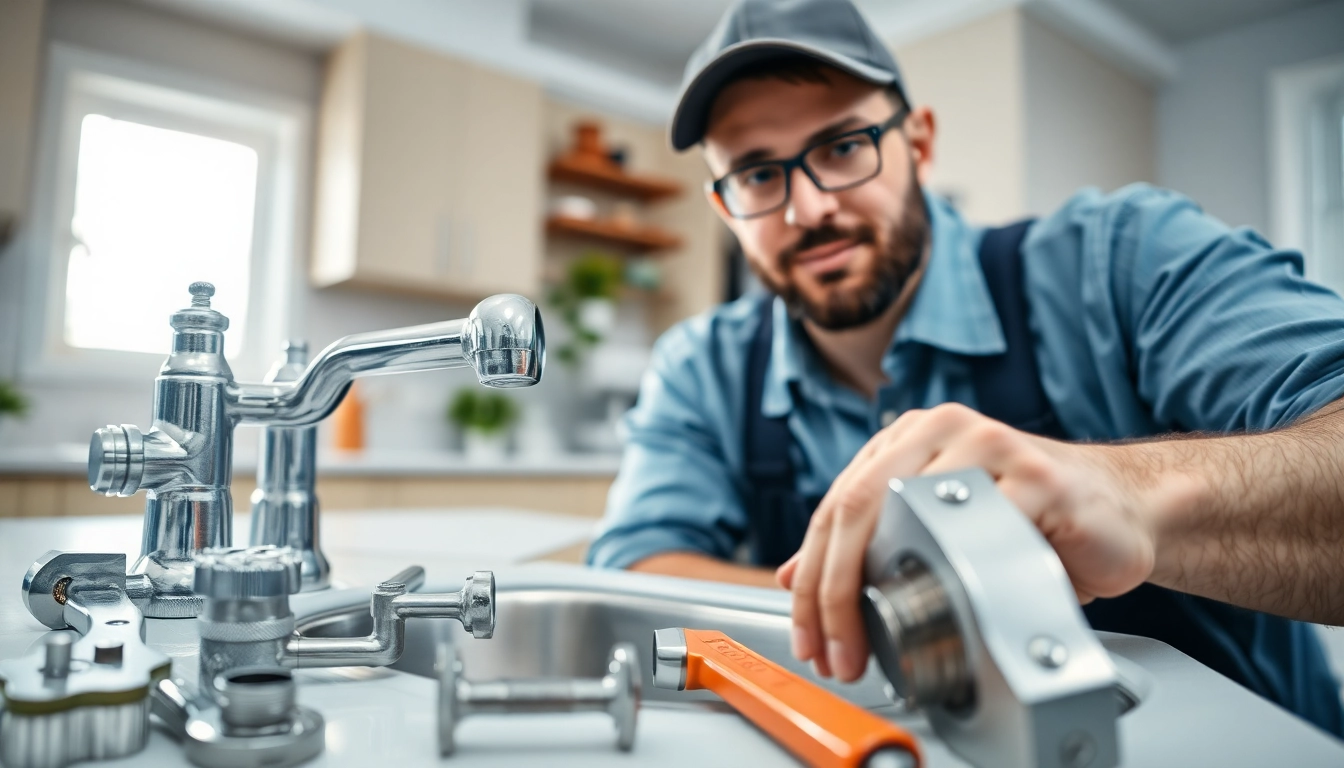
Plumbers play a vital role in maintaining the integrity of our homes and businesses by ensuring that water and sanitation systems function properly. The scope of a plumber’s work encompasses a variety of tasks related to the installation, maintenance, and repair of piping systems. They are trained professionals who handle everything from installing sinks and toilets to diagnosing issues with drainage and plumbing systems. Plumbers are equipped with the expertise to manage complex systems, providing solutions that are essential for daily life.
Common Services Provided by Local Plumbers
When searching for a Plumber near me, it is helpful to know the common services they provide. These services include:
- Leak Detection and Repair: Identifying leaks in pipes, faucets, and fixtures to prevent water damage.
- Drain Cleaning: Clearing blockages in sinks, toilets, and sewer lines to ensure smooth water flow.
- Installation and Repair of Fixtures: Installing new plumbing fixtures like faucets, toilets, and showerheads or repairing broken ones.
- Water Heater Services: Installation, maintenance, and repair of water heating systems, including tankless and traditional models.
- Emergency Plumbing Services: Addressing urgent plumbing issues, such as burst pipes or overflowing toilets, that require immediate attention.
Why Hiring a Plumber Near Me Matters
Hiring a Plumber near me comes with various advantages. Local plumbers are more familiar with the plumbing regulations specific to your area, ensuring that all work is compliant with local codes. Moreover, proximity allows for quicker response times during emergencies, minimizing damage and discomfort. Additionally, local plumbers often have established relationships with nearby suppliers, which can mean faster service and better pricing on parts.
Identifying Plumbing Issues
Signs You Need a Plumber Near Me
Recognizing plumbing issues early can save you significant time and money. Here are common signs that indicate it’s time to consult a Plumber near me:
- Water Stains: Discoloration on walls or ceilings often signals leaks behind the walls.
- Low Water Pressure: A sudden drop in water pressure may indicate a hidden leak or blockage.
- Unpleasant Odors: Foul smells can indicate a sewer line issue or a clogged drain.
- Slow Drains: Water pooling in sinks or tubs is a sign of a drainage issue that needs professional attention.
- Frequent Repairs: Repeated plumbing issues can suggest underlying problems that should be addressed by a professional.
Emergency Plumbing Situations to Recognize
Knowing when to call for emergency plumbing services is crucial. Situations that require immediate attention include:
- Burst Pipes: A pipe that bursts can lead to extensive water damage and should be addressed immediately.
- Blocked Toilets: An overflowing toilet can create serious sanitation issues and needs urgent intervention.
- Gas Smells: The scent of gas is a severe issue that necessitates immediate evacuation and professional help.
- Major Leak: Any significant water leak that cannot be controlled must be looked at by a professional right away.
Prevention Tips for Plumbing Emergencies
Preventing plumbing emergencies can save you both time and money. Here are some effective strategies:
- Regular Inspections: Schedule routine plumbing check-ups to catch issues early.
- Watch What Goes Down the Drain: Avoid flushing harmful materials or disposing of unapproved items down the sink.
- Maintain Your Water Heater: Regularly inspect and maintain your water heater to prolong its life and efficiency.
- Know the Location of Your Main Shut-Off Valve: In case of emergencies, knowing how to quickly turn off your water supply is essential.
Choosing the Right Plumber Near Me
How to Research Local Plumbers
Finding the right Plumber near me requires diligent research. Start by asking for recommendations from friends, family, or neighbors. Online platforms, particularly review sites, can offer insights into local plumbing services. Check their websites for their range of services, experience, and specialties. Comparing multiple plumbers can also give you a clearer picture of whom to hire.
Questions to Ask Potential Plumbers
When interviewing plumbers, it is essential to ask questions that clarify their capabilities. Consider the following:
- What Services Do You Provide? Ensure they offer the services you need.
- Are You Licensed and Insured? Verify their credentials for peace of mind.
- Can You Provide References? Previous customer experiences can help gauge reliability.
- What is Your Response Time for Emergencies? Inquire about their availability for urgent situations.
- Do You Offer Written Estimates? Written quotes protect you from unexpected charges.
Checking Credentials and Reviews
Before making a final decision, perform a thorough check of your chosen plumber’s credentials and online reviews. Look for licenses, certifications, and insurance to ensure they meet industry standards. Online reviews on platforms like Yelp or Google can provide insight into a plumber’s reliability, customer service, and payment practices. A well-rated plumber not only indicates a good reputation but also signifies high-quality services.
Cost Factors for Plumbing Services
Understanding Plumbing Estimates
When you request a plumbing estimate, it typically includes a breakdown of labor, materials, and any potential additional fees. Be wary of quotes that seem low compared to others; they might cut corners. A detailed estimate should explain each cost clearly, allowing you to compare different plumbers effectively.
Factors Affecting Plumber Near Me Rates
The rates of Plumber near me can vary based on multiple factors, including:
- Location: Plumbers in urban areas may charge more than those in rural settings due to higher overhead costs.
- Type of Service: Emergency services or complex repairs typically cost more than standard maintenance.
- Experience Level: Established plumbers with extensive experience often charge higher rates.
- Time of Service: After-hours or weekend services can have elevated rates.
Ways to Save on Plumbing Costs
While plumbing costs can add up, there are ways to be strategic and save money. Consider the following tips:
- Regular Maintenance: Regular checks can prevent costly issues down the road.
- Comparison Shopping: Get multiple estimates to find the best price for services.
- Ask About Discounts: Some plumbers may offer discounts for seniors, military personnel, or first-time customers.
- Understand Your Plumbing: Knowledge about your system can help you identify issues early, potentially saving repair costs.
Maintenance and Prevention Strategies
Routine Plumbing Maintenance Tips
Routine maintenance can prolong the life of your plumbing and prevent emergencies. Here are important tips:
- Flush Your Drains: Use a mixture of vinegar and baking soda monthly to keep drains fresh and flowing.
- Inspect Hoses: Regularly check washing machine hoses for leaks or wear and tear.
- Test Your Sump Pump: Ensure your sump pump is working properly before wet seasons.
Seasonal Checks for Your Plumbing Systems
Seasonal maintenance checks provide an opportunity to catch problems before they escalate. Consider these seasonal tasks:
- Winter: Insulate pipes in unheated areas to prevent freezing.
- Spring: Check sump pumps and drainage systems after winter’s thaw.
- Summer: Inspect outdoor faucets and irrigation systems before use.
- Fall: Winterize your plumbing, including garden faucets and pools.
Resources for DIY Plumbing Tasks
For those inclined to tackle simple plumbing tasks themselves, numerous resources are available. Online video tutorials and home improvement blogs can provide guidance on basic repairs like unclogging a drain, replacing a faucet, or fixing a toilet leak. Always remember to prioritize your safety and know when to call in a professional.
Frequently Asked Questions
What should I do if I have a plumbing emergency?
If you encounter a plumbing emergency, first turn off the water supply to prevent further damage, then contact a professional plumber immediately.
How often should I have my plumbing checked?
It is advisable to have your plumbing inspected at least once a year to detect any potential problems early.
Can I perform my plumbing repairs?
Many minor repairs can be done by homeowners, but complex issues should be handled by a professional plumber to avoid mistakes.
What causes low water pressure?
Low water pressure can be caused by clogged pipes, leaks, or issues with the municipal water supply. A plumber can diagnose the exact cause.
Is it worth investing in plumbing maintenance?
Yes, regular plumbing maintenance can prevent costly repairs down the line, making it a worthy investment for homeowners.