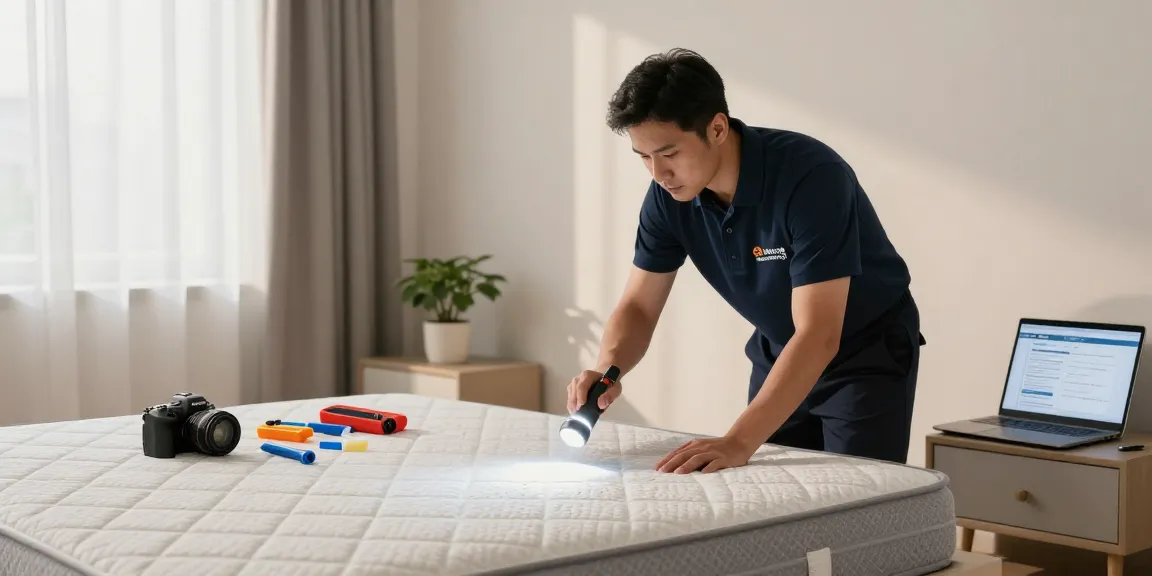
Understanding Bed Bug Infestations
Bed bugs are notorious pests that have plagued homes and businesses for centuries. Despite their small size, these insects can cause significant distress and discomfort. Understanding their biology, behavior, and the signs of their presence is crucial to addressing an infestation effectively. In Milwaukee and Southeast Wisconsin, residents need to be particularly vigilant, as these pests have become increasingly common in urban environments. When exploring options, bed bug exterminator services provide comprehensive insights into effective eradication methods and preventative measures.
What Are Bed Bugs and How Do They Operate?
Bed bugs (Cimex lectularius) are small, flat, reddish-brown insects that feed on the blood of humans and animals. Adult bed bugs typically measure about a quarter of an inch in length, making them visible to the naked eye. Their bodies are oval-shaped and can swell and take on a darker hue after feeding. Bed bugs are primarily nocturnal, emerging at night to feed, which is why many victims are unaware of their presence until significant infestations occur.
Common Signs of a Bed Bug Problem
Identifying a bed bug infestation early is vital for effective control. Here are some common indicators:
- Red, itchy bites on the skin, often appearing in clusters or lines.
- Dark spots on bedding or furniture, which are bed bug droppings.
- Blood stains on sheets or pillowcases where bed bugs may have been crushed after feeding.
- Foul odor, reminiscent of raspberries or almonds, can indicate a larger infestation.
How Bed Bugs Spread: Locations and Habits
Bed bugs are excellent hitchhikers; they can easily travel from one location to another by clinging to clothing, luggage, or furniture. Common locations include hotels, public transportation, and shared living spaces. Once they enter a new environment, they tend to hide in dark, secluded areas such as:
- Seams of mattresses and upholstered furniture
- Cracks in walls and baseboards
- Behind electrical outlets and switch plates
Bed Bug Extermination Methods: Pros and Cons
When it comes to treating bed bug infestations, several methods are available, each with its pros and cons. Understanding these can help homeowners make an informed decision about how to proceed.
Chemical Treatment Options and Their Effectiveness
Chemical treatments remain one of the most common methods for eradicating bed bugs. Professional exterminators use pesticides designed to target bed bugs specifically. Here are some key points to consider:
- Pros: Many pesticides have residual effects, meaning they continue to provide protection long after application.
- Cons: Chemical treatments can sometimes be ineffective against resistant bed bug populations, and they require thorough preparation from the homeowner.
Heat Treatment: A Comprehensive Look
Heat treatment involves raising the temperature of the affected area to a level that is lethal to bed bugs. This method has gained popularity due to its effectiveness and eco-friendliness.
- Pros: Heat treatment kills bed bugs at all life stages, including eggs, and typically provides immediate results.
- Cons: It requires professional equipment and expertise to ensure the temperature is sufficiently high throughout the treatment area.
Comparison of DIY vs. Professional Bed Bug Exterminator
While DIY methods for bed bug control are available, they often lack the comprehensive approach that professional services offer. Many DIY solutions simply fail to reach all of the hiding spots where bed bugs lurk.
- DIY: Solutions may include non-toxic treatments or household products, but these typically only target visible bugs and do not address eggs or deep hiding spots.
- Professional Exterminators: They utilize advanced techniques, such as K9 inspections and industrial-grade insecticides, ensuring thorough eradication.
Choosing the Right Bed Bug Exterminator
Selecting a qualified bed bug exterminator is essential for a successful treatment. Here are some factors to consider:
What to Look for in a Bed Bug Exterminator
When reviewing different exterminators, consider their experience, certifications, and treatment methods. Look for companies that specialize in bed bug removal and have a strong track record of success.
Questions to Ask Before Hiring Professionals
Before you hire a bed bug exterminator, it is wise to ask specific questions, such as:
- What treatment methods do you use, and how do they work?
- What kind of preparation is required on my part?
- How long does the treatment process take, and what should I expect during and after?
Evaluating Customer Reviews and Testimonials
Customer feedback can provide valuable insights into an exterminator's effectiveness. Look for reviews that specifically mention bed bug services, as they can give you a clearer picture of what to expect.
Preventing Future Bed Bug Infestations
Once you have dealt with a bed bug infestation, prevention is key to avoiding a recurrence. Here are some practical steps to keep your space bed bug-free:
Best Practices for Homeowners to Avoid Infestations
Adopting preventative measures can significantly reduce the likelihood of a bed bug re-infestation:
- Regularly vacuum and clean your home, focusing on areas where bed bugs typically hide.
- Use protective mattress and box spring encasements to trap any existing bugs and prevent new infestations.
- Be cautious when bringing second-hand items into your home; always inspect and clean them thoroughly first.
Regular Monitoring and Maintenance Tips
Conduct regular inspections of your sleeping areas and furniture. Look for signs of bed bug activity to catch any potential problems early. Setting up monitoring devices can also help in spotting future infestations quickly.
The Role of Education in Bed Bug Prevention
Understanding how bed bugs operate, their breeding habits, and how they spread is crucial. Educating yourself and your family members about bed bugs can help in identifying issues sooner and taking appropriate action.
Frequently Asked Questions
How Long Does Bed Bug Treatment Take?
The duration of bed bug treatment can vary based on the method used and the severity of the infestation. Generally, heat treatment may take a few hours, while chemical treatments may require additional follow-up inspections in the weeks following initial application.
Are Bed Bug Exterminators Safe for Pets?
Many professional extermination companies use pet-safe products; however, it's crucial to inform your exterminator about any pets in your home. They will provide specific guidelines on how to keep your pets safe during and after treatment.
Can I Sleep in My Home After Treatment?
It depends on the method used. For instance, if heat treatment is applied, you might be required to leave the premises for a few hours. In contrast, with some chemical treatments, you may need to wait several hours before re-entering.
How Much Does Bed Bug Treatment Cost?
The cost of bed bug treatment can vary widely depending on the severity of the infestation, the size of your home, and the treatment method chosen. Homeowners can expect to pay anywhere from a few hundred to several thousand dollars. Always obtain multiple estimates before choosing a service.
What Are Signs That Treatment Was Successful?
Signs of successful bed bug treatment include a reduction in bite occurrences, lack of new stains on bedding, and no sight of live bugs or shed exoskeletons. Following up with a professional inspection can confirm that the issue has been fully resolved.