
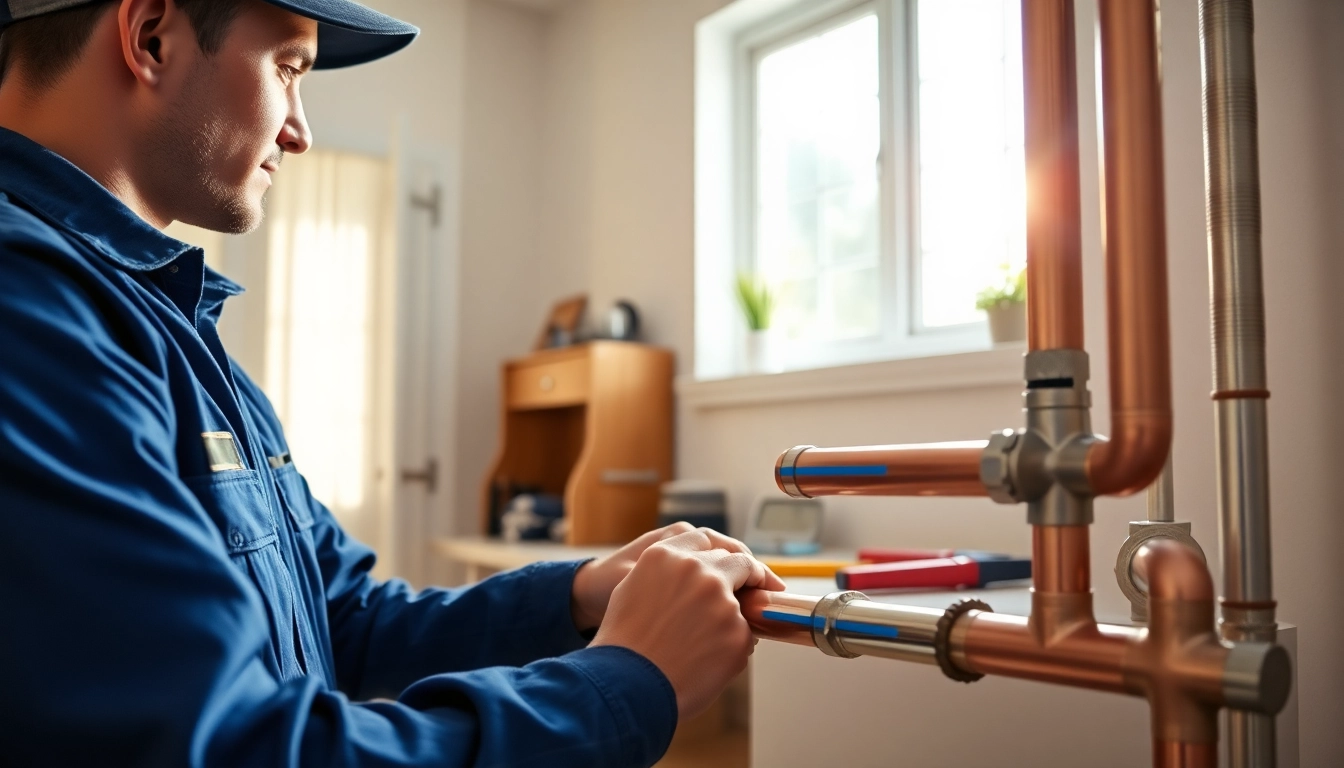
Understanding Whole House Repiping
What is Whole House Repiping?
Whole house repiping involves replacing the entire plumbing system within a home. This extensive process is typically necessary when the original pipes have degraded to a point where they can no longer effectively transport water or handle pressure. Repiping can include the installation of pipes made from various materials including copper, PEX, or PVC. This foundational service ensures that your home’s plumbing is modern, efficient, and reliable. Homeowners often seek whole house repiping services St Petersburg FL to solve ongoing plumbing issues that traditional repairs cannot remedy.
Signs You Need Whole House Repiping
Identifying the need for whole house repiping can significantly enhance the maintenance of your home. Here are key indicators:
- Frequent Leaks: Multiple and recurring leaks can suggest that your pipes are corroded or deteriorating.
- Water Discoloration: Rust-colored or brown water indicates the presence of rust within the pipes, a sign that they are aging.
- Low Water Pressure: This can be due to buildup, corrosion, or leaks within the plumbing system, diminishing its functionality.
- Pipe Age: Homes with older plumbing systems, particularly those built before the 1970s, may be more susceptible to the need for repiping.
- Strange Noises: Gurgling or banging noises in the walls could signal that water is struggling to flow properly through damaged pipes.
Benefits of Whole House Repiping
Investing in whole house repiping yields numerous advantages that extend well beyond immediate plumbing performance:
- Increased Water Quality: New pipes can eliminate issues like rust and sediment, significantly improving water taste and safety.
- Enhanced Water Flow: Properly sized and new pipes provide optimal water pressure, improving water distribution throughout the home.
- Energy Efficiency: Effective plumbing systems reduce the energy required to heat water, potentially lowering utility bills.
- Increased Home Value: A contemporary plumbing system is attractive to potential buyers, potentially increasing the home’s resale value.
Choosing the Right Materials for Repiping
Types of Pipes Used in Repiping
The choice of materials for repiping is crucial as it influences both long-term performance and costs. Here’s a look at the most common types:
- Copper Pipes: Known for durability and resistance to corrosion, copper is a long-standing favorite in plumbing. It’s ideal for both hot and cold water supply.
- PEX (Cross-Linked Polyethylene): PEX is flexible, easy to install, and resistant to scale and chlorine. It’s also less likely to corrode, making it an increasingly popular choice for repiping.
- PVC (Polyvinyl Chloride): Often used for drain, waste, and vent applications, PVC is lightweight and cost-effective but not recommended for hot water lines.
- CPVC (Chlorinated Polyvinyl Chloride): Similar to PVC but suitable for hot water applications, CPVC is resistant to corrosion and easy to work with.
Pros and Cons of Copper vs. PVC
Choosing between copper and PVC requires understanding their respective advantages and disadvantages:
Copper
- Pros: Durable, long lifespan, high resistance to bacterial growth, recyclable.
- Cons: Expensive, susceptible to corrosion in acidic water, can be challenging to install.
PVC
- Pros: Cost-effective, lightweight, easy to install, resistant to corrosion.
- Cons: Not suitable for hot water, can become brittle over time, marginal aesthetics.
How Material Choices Affect Cost
Material selection significantly impacts the overall cost of the repiping project. Copper tends to be more expensive in material and labor, due to its weight and installation complexity. Conversely, PEX and PVC options are typically less costly and may result in reduced labor costs due to easier handling and installation. Additionally, the availability of materials in the local market can also affect pricing. It’s crucial to balance cost against the expected lifespan and effectiveness of the material chosen.
The Whole House Repiping Process Explained
Initial Assessment and Inspection
Every repiping project starts with a thorough assessment of the current plumbing system. Licensed professionals conduct a detailed inspection to identify problematic areas. This typically includes checking for leaks, water quality, and evaluating the pipe’s age and material. Homeowners may also receive recommendations about the best materials for their needs, and the process is explained to ensure there are no surprises during installation.
Preparing Your Home for Repiping
Preparation is an essential stage in the repiping process. Homeowners may need to clear areas around the plumbing for easier access, while professionals may suggest moving furniture and valuables. Additionally, while repiping is underway, water services will likely be interrupted for a day or two, requiring homeowners to plan for alternative arrangements for water usage.
Execution of the Repiping Procedure
The actual repiping procedure usually unfolds over several stages:
- Shutting Off Water Supply: To start, the water supply must be shut off, and water lines are drained.
- Removal of Old Pipes: Old piping systems are carefully removed, ensuring no damage to surrounding structures.
- Installation of New Pipes: The new plumbing system is installed according to the layout determined in the initial assessment.
- Testing: After installation, the entire system undergoes pressure testing to ensure there are no leaks and that water flows correctly.
- Final Adjustments: Any necessary adjustments or additional fittings are made, followed by final inspections.
Cost Factors for Whole House Repiping Services St Petersburg FL
Average Costs Connected to Repiping
The cost of whole house repiping can vary widely based on numerous factors. On average, costs can range from $4,000 to $15,000, depending on the size of the home, the materials used, and labor costs in the local area. Among factors impacting pricing are the type of material chosen, labor rates in St. Petersburg, and whether any structural modifications are necessary.
Additional Costs and Unexpected Expenses
Homeowners should be prepared for potential unexpected expenses that may arise during the repiping process. Such costs can include:
- Structural Repairs: If old pipes have caused damage to walls or ceilings, repairs may be necessary.
- Permits: Local regulations may require permits, which could add to the overall price.
- Upgraded Fixtures: If you opt to replace fixtures while repiping, this can also add to the total cost.
Finding Value in Quality Services
When seeking repiping services, it’s important not just to focus on the lowest price. Quality workmanship ensures that the plumbing system will function optimally for years to come. A reputable contractor will deliver value through thorough inspections, high-quality materials, and skilled installation. Understand that cut-rate services often result in a false economy, leading to more repairs in the future.
FAQs About Whole House Repiping
What is the average duration of whole house repiping?
The duration typically ranges from one to three days, depending on the size of your home and the complexity of the plumbing system.
Will I need to leave my home during repiping?
It’s generally advised to stay elsewhere, especially during the day when the work is ongoing, to avoid noise and disruption.
How do I know if my plumbing needs repiping?
Key signs include frequent leaks, low water pressure, discolored water, and advanced pipe age. A professional assessment can provide further clarity.
Can I upgrade my plumbing system during repiping?
Absolutely! Repiping is an excellent time to consider upgrades, including modern fixtures and improved materials.
How can I maintain my new plumbing system?
Regular maintenance includes checking for leaks, ensuring proper water pressure, and yearly or bi-annual inspections with a plumber to catch any potential issues early.