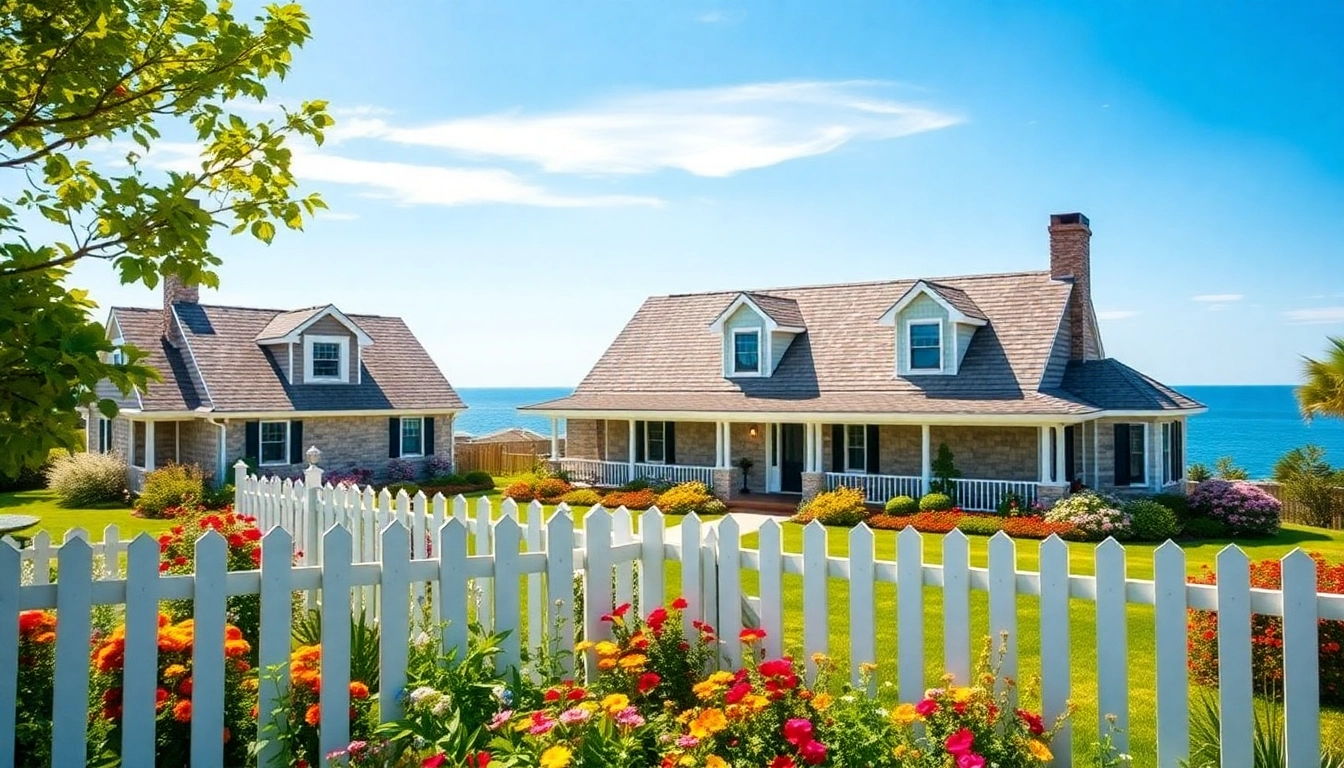
Understanding Colonial Home Construction
The allure of colonial homes continues to captivate homeowners and architecture enthusiasts alike. Defined by their traditional aesthetics and historical significance, these structures evoke a sense of nostalgia while offering modern comforts. For those considering a journey into colonial home construction, understanding its historical roots and architectural intricacies is paramount.
Historical Significance of Colonial Homes
Colonial homes are deeply embedded in American history, reflecting various cultural influences from English, Spanish, Dutch, and French settlers. Originating in the early 1600s, these homes were not only functional but also symbolic of the settler’s lifestyle, blending practicality with emerging architectural styles.
As the country evolved, so did its architecture. Colonial homes became a canvas for expressing regional identities, with variations reflecting local materials and environmental conditions. The need for shelter, warmth, and community fostered a unique architectural style that resonates with the historical narrative of America.
Common Architectural Features
One cannot discuss colonial homes without noting their distinct architectural features, which often include:
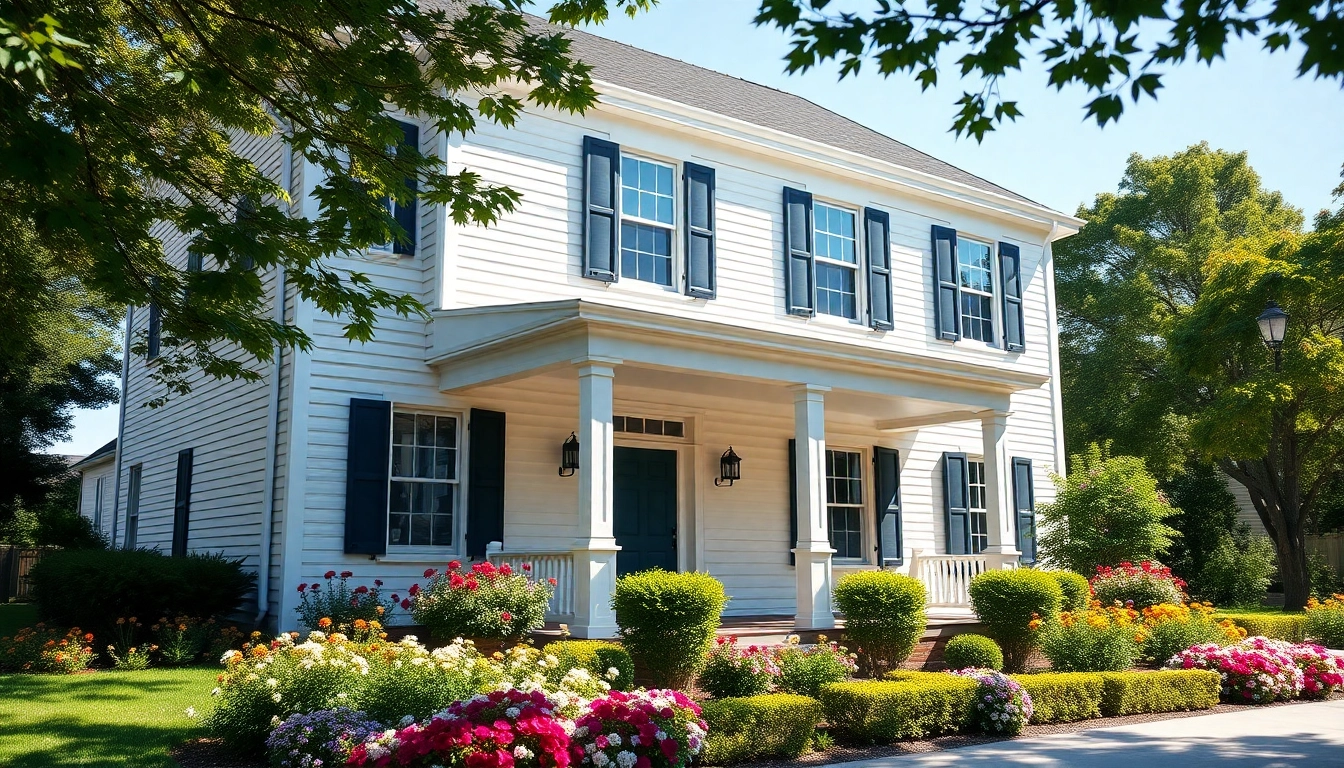
- Symmetry: Colonial homes often exhibit a balanced, symmetrical facade with evenly spaced windows.
- Colonial Doors: The front door typically boasts elaborate pediments or transoms, adding to its grandeur.
- Multiple Stories: Many colonial homes feature two to three stories, with a central hall leading to different rooms.
- Gabled Roofs: The steeply pitched roofs are characteristic, allowing for the attic space to be utilized.
- Chimneys: Often located at the center of the house, the chimney serves both as a functional and aesthetic element.
Styles of Colonial Architecture
Colonial architecture spans several styles, each with its unique characteristics:
- Georgian: Known for its formal symmetry and classic proportions, Georgian homes feature brick facades and multi-pane windows.
- Federal: This style introduced more decorative elements, including elegant doorways and fanlights, with a more refined aesthetic.
- Colonial Revival: A 20th-century movement that reinvented colonial styles with modern materials while preserving historical references.
- Dutch Colonial: Featuring a distinctive gambrel roof, Dutch Colonial homes are also characterized by their large porches and dormer windows.
Planning Your Colonial Home Construction
Effective planning is crucial when embarking on a colonial home construction project. Each phase should be approached with careful consideration to ensure a successful outcome.
Key Factors to Consider
Before diving into construction, several factors deserve attention:
- Climate: Understanding the local climate helps in selecting appropriate materials and insulation to enhance energy efficiency.
- Zoning Laws: Investigate local regulations that may influence design choices and structural integrity.
- Architectural Style: Choose a style that resonates with personal aesthetics while fitting harmoniously into the neighborhood.
- Future Needs: Consider future family needs or potential renovations to avoid costly changes post-construction.
Defining Your Budget
Establishing a clear budget is essential for any construction project. A well-defined budget should include:
- Land Acquisition: Costs related to purchasing the land for your colonial home.
- Construction Costs: Breaking down expenses related to materials, labor, and permits.
- Interior Expenses: Considering additional costs for finishes, furniture, and landscaping.
- Contingency Fund: Set aside a percentage of your budget for unexpected expenses.
Choosing the Right Location
The location of your colonial home is as critical as its design. When scouting for a suitable site, consider:
- Proximity to Amenities: Access to schools, shopping, and healthcare enhances convenience.
- Neighborhood Character: Research the community to ensure it aligns with your lifestyle and values.
- Environmental Considerations: Evaluate risks such as flooding or proximity to natural hazards.
Materials Used in Colonial Home Construction
In colonial home construction, the choice of materials directly impacts aesthetics, durability, and maintenance. Understanding traditional versus modern materials can help optimize both form and function.
Traditional Building Materials
Historically, colonial homes were built using locally sourced materials which influenced architectural style:
- Wood: Commonly used for framing and finishes due to its availability and versatility.
- Brick: Offering durability and an elegant finish, brick is prevalent in many colonial styles.
- Stone: Used in foundations and chimneys, adding to structural integrity and charm.
- Stucco: This cement-based material was often employed for its ease of application and appealing finish.
Modern Alternatives and Innovations
Modern advances have introduced innovative materials, allowing for flexibility in design while ensuring sustainability:
- Composite Materials: Offer durability akin to wood with improved resistance to rot and pests.
- Energy-efficient Windows: Growing accessibility to high-performance windows enhances insulation and energy savings.
- Green Materials: Sustainable options such as recycled or rapidly renewable materials can reduce environmental impact.
Sourcing Quality Materials
When sourcing materials for your project, prioritize quality over cost to ensure longevity. Steps include:
- Research Suppliers: Look for reputable suppliers with positive reviews and a strong market presence.
- Standard Compliance: Ensure that materials meet local building codes and regulations.
- Visit Facilities: Whenever possible, inspect materials in person or request samples to gauge quality.
The Construction Process
The transition from conceptualization to physical structure requires a systematic approach to ensure that your colonial home embodies both vision and quality craftsmanship.
From Blueprint to Reality
Blueprints provide the foundation for your construction project. Essential steps include:
- Hiring an Architect: Collaborate with a professional who understands colonial architecture and can translate your vision into blueprints.
- Permits and Approvals: Secure necessary permits from local authorities before construction begins to avoid legal issues.
- Site Preparation: Ensure that the land is cleared and properly prepared to lay down a solid foundation.
Working with Contractors
Collaboration with skilled contractors is integral to the success of your project:
- Choosing the Right Contractor: Seek professionals with experience in colonial architecture and positive client testimonials.
- Clear Communication: Establish a clear communication plan to discuss progress, issues, and changes throughout the process.
- Regular Check-ins: Schedule site visits to monitor progress and address potential issues early on.
Timeline Expectations
While timelines can vary dramatically based on scope and location, having a general idea can help manage expectations. Consider the following:
- Pre-Construction Phase: This phase could take several weeks to months, including design, permitting, and selection.
- Construction Phase: Typically, colonial home construction takes 6 months to over a year, depending on complexity.
- Post-Construction: Allocate time for inspections, landscaping, and preparing for move-in after construction.
Maintenance and Preservation of Colonial Homes
Ensuring the longevity and aesthetic appeal of a colonial home requires ongoing maintenance and thoughtful preservation techniques.
Regular Upkeep Tips
Regular maintenance is vital for preserving the structure and charm of colonial homes. Here are best practices:
- Seasonal Inspections: Inspect roofs, gutters, and foundations each season to catch issues early.
- Painting and Finishing: Use high-quality paints and finishes that protect against wear and the elements.
- Landscaping Care: Maintain gardens and landscaping to protect the home’s foundation and aesthetics.
Common Repairs for Colonial Homes
Periodically, colonial homes may require certain repairs due to their age and materials used:
- Roof Repairs: Watch for leaks or damaged shingles that must be addressed promptly.
- Foundation Repairs: Ensure that cracks and settling are repaired to maintain structural integrity.
- Window Restoration: Restore or replace old windows with energy-efficient options while preserving their historic charm.
Preserving Architectural Integrity
Maintaining the authentic architectural character of a colonial home is crucial. Consider these approaches:
- Use Authentic Materials: When restoring or adding elements, choose materials that match the original construction.
- Follow Historical Guidelines: Research historical guidelines and local heritage preservation regulations when making modifications.
- Consult Professionals: Engage experts in historical restoration for sensitive projects that require deep knowledge.
Frequently Asked Questions
What is the average cost of building a colonial home?
The cost can vary greatly based on size, location, and materials but typically ranges from $150 to $300 per square foot.
How long does it take to build a colonial home?
Construction can take anywhere from six months to over a year, depending on complexity, permits, and contractor availability.
Do colonial homes require special maintenance?
Yes, regular inspections, roof maintenance, and window care are essential to preserve the integrity and aesthetics of colonial homes.
Can I modify a colonial home’s design?
While modifications are possible, it’s important to consult preservation guidelines and aim to maintain the home’s historical character.
What features should I prioritize in a colonial home construction?
Focus on traditional features like symmetry, gabled roofs, and high-quality materials for authenticity and durability.