
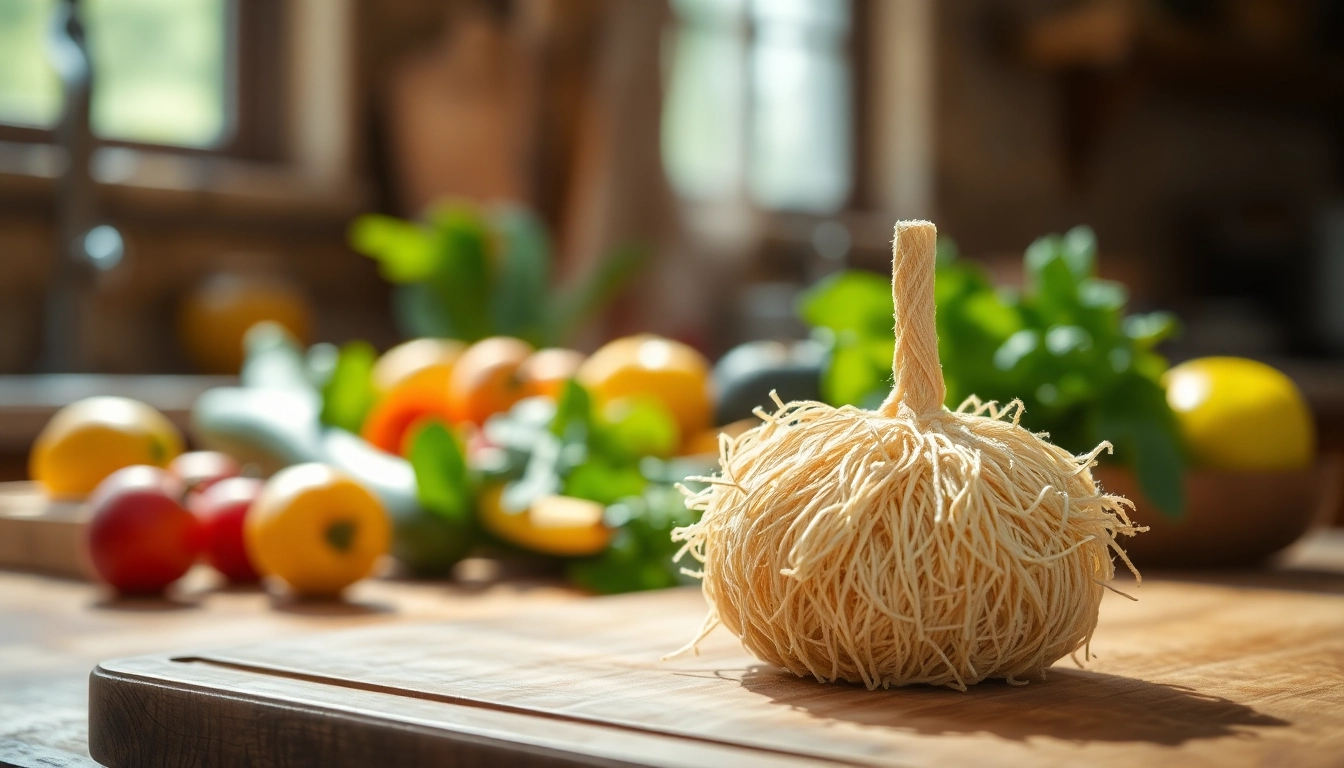
Understanding Kitchen Loofah Benefits
When exploring effective cleaning tools for your home, kitchen loofah benefits stand out. This natural product has gained popularity not just for its functionality, but for its eco-friendly attributes. Loofahs, when used correctly, can transform your cleaning routine, enhancing hygiene and promoting a sustainable lifestyle. In this comprehensive guide, we will explore the multiple benefits of kitchen loofahs, how to effectively use them, compare them with other cleaning tools, and provide practical tips for integrating them into your daily routine.
The Natural Cleansing Power
At the core of kitchen loofah benefits is their ability to provide a natural scrubbing action. Made from the fibrous skeleton of the loofah plant, these sponges are excellent for removing stains and debris without the harsh chemicals that often accompany synthetic cleaning products. This makes them a favorite choice among those looking to maintain a green lifestyle while ensuring their kitchen surfaces are clean and safe for food preparation.
Additionally, as a natural material, loofahs harbor antibacterial and antifungal properties. This is critical in a kitchen setting, where contamination can occur easily. By using a loofah, you not only clean surfaces effectively but also reduce the likelihood of harmful bacteria proliferating.\
Eco-Friendly Alternatives to Sponges
In today’s world, eco-conscious choices are essential. Traditional synthetic sponges contribute significantly to landfill waste and can take hundreds of years to decompose. In contrast, kitchen loofahs offer a biodegradable alternative that aligns with environmental sustainability goals. Once they have reached the end of their life cycle, loofahs can be composted, returning nutrients to the earth rather than polluting it.
Moreover, loofahs avoid the microplastic issue found in many synthetic sponges. Microplastics can enter our waterways and harm marine life. By opting for loofahs, not only do you clean more sustainably, but you also help diminish the plastic footprint in your home.
Enhancing Your Kitchen Hygiene
Hygiene in the kitchen is paramount, and kitchen loofahs play a crucial role. Utilizing loofahs can reduce the risk of cross-contamination since they can be routinely sanitized by boiling or placing them in the dishwasher. This is vital when dealing with raw foods, especially meats. Compared to sponge alternatives, loofahs can be a more hygienic option when properly maintained.
Another significant benefit is their ability to dry quickly due to their porous structure. This feature minimizes moisture retention, a common breeding ground for bacteria and mold, thereby ensuring that your cleaning tools remain healthy to use.
How to Use Kitchen Loofahs Effectively
Choosing the Right Loofah
Choosing the appropriate loofah is the first step in maximizing its benefits. Look for 100% natural loofah sponges that are free from additives. These organic loofahs provide a more effective and safer cleaning experience. Some may come in various sizes – consider selecting different sizes for various kitchen tasks. Larger ones can be used for scrubbing pots and pans, while smaller versions are ideal for delicate dishes.
Proper Cleaning Techniques
To enhance the lifespan and effectiveness of your kitchen loofah, proper cleaning techniques are essential. After each use, rinse the loofah thoroughly under hot water to remove food particles and contaminants. To ensure deep cleaning, consider soaking it in a mixture of vinegar and baking soda periodically. This not only sanitizes the sponge but also helps remove any lingering odors.
Remember that frequent cleaning is key. You should also replace your loofah every two to four weeks to maintain optimal hygiene.
Storage Solutions for Longevity
The way you store your kitchen loofah can affect its longevity and cleanliness. After cleaning and drying, store the loofah in a well-ventilated area to ensure it fully dries out. Avoid leaving it in confined spaces such as closed kitchen drawers or cabinets, as this can trap moisture and lead to mold growth. Opt for a hanging storage solution or a designated sponge holder that allows airflow.
Comparing Kitchen Loofahs with Other Cleaning Tools
Loofah vs. Synthetic Sponges
While synthetic sponges can be effective, they come with their drawbacks. Besides being less environmentally friendly, they tend to harbor bacteria more easily due to their materials. In contrast, kitchen loofahs are made from plant fibers that are less hospitable to bacteria when properly maintained. Ultimately, while both have the purpose of cleaning, loofahs offer a safer and greener solution.
Benefits Over Cloth Towels
Cloth towels serve their purpose, but they often require frequent washing to maintain cleanliness. Kitchen loofahs, however, can be boiled or sanitized without the need for additional laundering, which saves on water and energy costs. Additionally, loofahs are designed for scrubbing, allowing for a deeper clean compared to the flat surface of a towel.
Cost-Effectiveness and Sustainability
Investing in kitchen loofahs can be a cost-effective choice over time. While the initial purchase may be comparable to traditional sponges, their durability, particularly when well cared for, results in fewer replacements. Coupled with their biodegradable nature, the long-term savings in both cost and environmental impact make them a wise choice for conscientious consumers.
Maximizing Kitchen Loofah Benefits in Your Routine
Daily Usage Tips
Incorporating kitchen loofahs into your daily routine can drastically improve your kitchen cleanliness. Use them regularly to scrub down countertops, cutting boards, and utensils after each use. A simple method is to create a cleaning solution using vinegar and water, giving your loofah added antibacterial benefits.
Seasonal Cleaning with Loofahs
Beyond daily chores, loofahs can be invaluable during seasonal deep cleaning. Use them to tackle grime built up over time, especially in appliances like microwaves and ovens. Their textured surface makes them particularly effective for scrubbing hard-to-reach places that need extra attention during seasonal cleaning.
Integrating Loofahs into Meal Prep
Loofahs are not just for cleaning but can also be incorporated into your meal prep routine. Use them to wash fruits and vegetables effectively, with their texture aiding in removing residues and contaminants. This ensures that your ingredients are both clean and safe, enhancing your overall cooking experience.
Frequently Asked Questions About Kitchen Loofah Benefits
What Are the Health Benefits of Using a Loofah?
Kitchen loofahs can help enhance hygiene, reducing bacteria buildup when used correctly during cleaning.
Are Kitchen Loofahs Biodegradable?
Yes, kitchen loofahs are made from natural fibers and are completely biodegradable, making them environmentally friendly.
How Do I Clean My Kitchen Loofah?
You can clean your kitchen loofah by rinsing it thoroughly and letting it dry in a well-ventilated area to prevent mold growth.
Can Kitchen Loofahs Be Used on Non-Stick Surfaces?
Avoid using loofahs on non-stick surfaces as they might scratch the coating, leading to damage.
How Often Should I Replace My Kitchen Loofah?
It’s best to replace your kitchen loofah every 2-4 weeks to ensure optimal cleanliness and hygiene.