
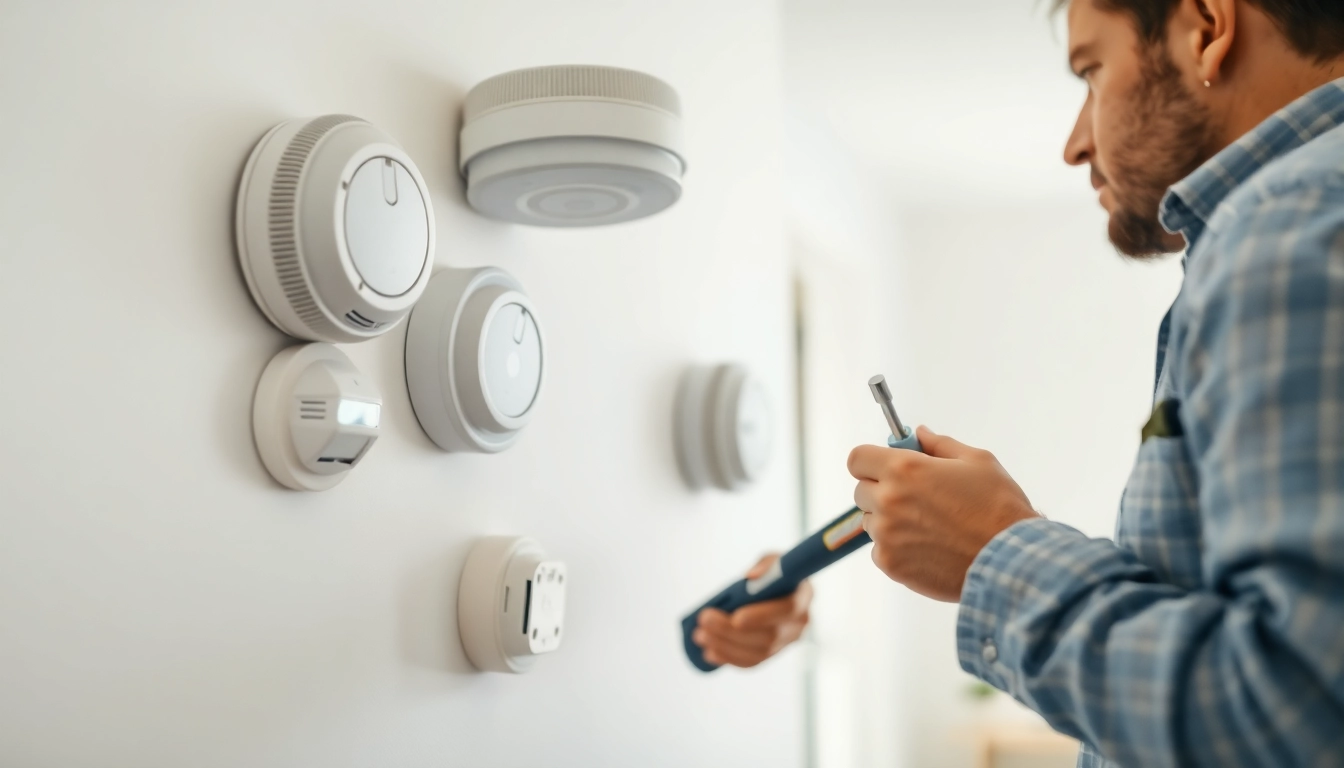
Importance of Smoke Detector Battery
Why Smoke Detector Battery Matters
The smoke detector battery is an essential component of modern home safety systems. It powers smoke detectors, which serve as your first line of defense against fire hazards. When smoke alarms are functioning properly, they can detect smoke particles in the air and alert occupants, allowing precious moments for evacuation. In fact, having a smoke alarm with a reliable smoke detector battery can reduce the risk of fire-related injuries and fatalities significantly. Statistics reveal that three out of five fire deaths occur in homes without working smoke alarms, highlighting the critical role of a fully functional battery.
Consequences of Neglecting Battery Maintenance
Neglecting the maintenance of your smoke detector battery can lead to severe consequences. An expired or dead battery can render your smoke detectors useless, increasing the risk of undetected fires that could cause physical harm and extensive property damage. Moreover, many detectors will emit a chirping sound as a warning of low battery life, which can be a sign that your detectors need immediate attention. Recognizing the importance of regular checks and upkeep is vital for ensuring both resident safety and peace of mind.
Signs Your Smoke Detector Battery Needs Replacement
Identifying when to replace your smoke detector battery is crucial for home safety. Look out for these signs: a persistent beeping or chirping sound, which is typically a low-battery warning; a gradual decrease in sensitivity, where it fails to respond to test signals; or visual indicators, such as an LED light flashing red or a colored signal near the battery compartment. If you encounter any of these signs, it’s time to replace the battery promptly.
Choosing the Right Smoke Detector Battery
Types of Smoke Detector Batteries
Smoke detectors generally require either disposable batteries or rechargeable versions. Disposable batteries typically include 9-volt, AA, or AAA sizes, and are commonly favored due to their ease of replacement. On the other hand, some detectors utilize lithium-ion or rechargeable batteries, which can last up to ten years; however, these may not be universally compatible with all smoke detector models. When selecting a type, consider both your device’s requirements and your own convenience.
Compatibility and Specifications
Before purchasing a replacement smoke detector battery, it’s crucial to check compatibility with your smoke detector. Refer to the manufacturer’s guidelines regarding battery types and specifications. Not all smoke detectors handle all batteries, and using an incorrect type could lead to malfunction or even safety risks. Pay attention to the voltage and dimensions to ensure that the chosen battery fits correctly in the device.
Top Brands to Consider
While there are many brands that manufacture smoke detector batteries, select those known for their reliability and performance. Look for brands that offer batteries specifically labeled for smoke detectors. Reading customer reviews and seeking expert recommendations can help ensure you choose a reputable brand that guarantees quality and consistency.
How to Replace a Smoke Detector Battery
Step-by-Step Battery Replacement Guide
- Start by ensuring your smoke detector is in the OFF position to prevent false alarms.
- Remove the smoke detector from its mounting bracket or base, typically done by twisting or pulling it off.
- Open the battery compartment, which may require pressing a clip or sliding a cover.
- Carefully remove the old battery and dispose of it properly.
- Insert the new battery, ensuring correct polarity as indicated by the plus and minus symbols.
- Close the battery compartment securely before reattaching the smoke detector to its base.
- Test the smoke detector by pressing the test button to confirm it’s working correctly.
Safety Tips During Replacement
Safety is paramount when dealing with smoke detectors and their batteries. Always work in a well-lit space and use a sturdy step stool if needed to reach the detector. Ensure that your hands are clean and dry to avoid any accidental battery leaks from contaminating your device. Always follow the manufacturer’s safety instructions and guidelines clearly when replacing your smoke detector battery.
Troubleshooting Common Issues
While replacing your smoke detector battery, you may encounter common issues such as alarms not responding during tests or persistent beeping after a battery change. If the alarm is chirping, double-check that the battery is installed correctly and that it’s the appropriate type for your smoke detector. If problems persist, it may be time to consider replacing the entire smoke detector unit, as advanced age and wear can affect functionality.
Best Practices for Smoke Detector Battery Care
Regular Maintenance Checklist
To ensure your smoke detectors function optimally, adhere to this regular maintenance checklist: test detectors monthly; change batteries at least once a year; clean the detector’s exterior with a damp cloth and soft brush to remove dust; and replace the entire smoke detector every ten years or as recommended by the manufacturer.
Duration and Expiration of Batteries
Understanding the lifespan of your smoke detector battery is crucial for proactive maintenance. Most disposable batteries last between six months to one year, depending on usage and model type, whereas lithium or rechargeable batteries can have a lifespan of up to 10 years. Always check the expiration date printed on battery packaging and plan for timely replacements to ensure reliable functionality.
Environmental Considerations for Disposal
When disposing of old smoke detector batteries, consider the environmental implications. Many household batteries contain chemicals that may harm the environment if not disposed of correctly. It’s advisable to use designated recycling programs or community disposal programs that allow for safe battery discard. Check local regulations and guidelines on battery disposal to adhere to best practices.
Frequently Asked Questions about Smoke Detector Battery
What type of battery do smoke detectors use?
Smoke detectors typically use 9-volt, AA, or AAA batteries, although some may have built-in rechargeable batteries. Always refer to the user manual for your specific model.
How often should I replace my smoke detector battery?
It’s recommended to replace your smoke detector battery at least once a year or more frequently if indicated by low battery alerts or test results.
Can I use rechargeable batteries for smoke detectors?
Some smoke detectors are compatible with rechargeable batteries, but always check the manufacturer guidelines to avoid complications.
What happens when a smoke detector battery is low?
A low smoke detector battery typically activates a chirping sound as a warning. This is an indication that the battery needs to be replaced immediately.
Do smoke detectors work without a battery?
No, smoke detectors require a functioning battery to operate. Without a battery, they cannot detect smoke and will not alert you to potential fire hazards.