
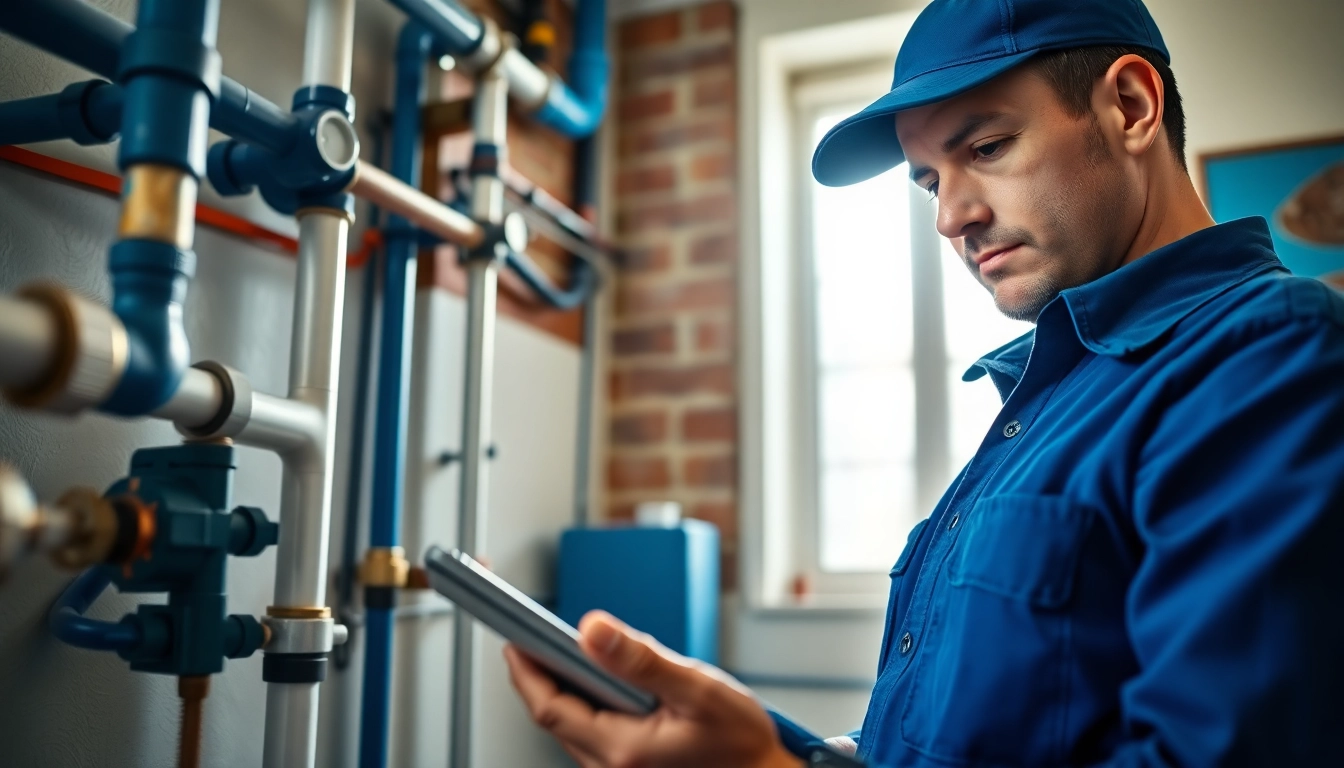
Understanding the Importance of Emergency Plumbing in Manhattan
Plumbing emergencies can strike at any moment, transforming a peaceful day into a frantic dash for solutions. In a vibrant metropolis like New York City, where every minute counts, the stakes become even higher. Whether it’s a burst pipe or a backed-up sewer line, understanding the facets of emergency plumbing manhattan is crucial. Quick, efficient response and expert service can save you from extensive damage and considerable costs.
What Constitutes an Emergency Plumbing Situation?
An emergency plumbing situation typically involves circumstances that require immediate attention. This includes issues such as major leaks, overflowing toilets, broken water heaters, or sewage backups. If left unattended, these problems can escalate quickly, leading to severe structural damage and health risks. Recognizing the signs of a plumbing emergency can help mitigate potential damage to your home or business.
Common Plumbing Emergencies in NYC
In the bustling environment of New York City, several plumbing emergencies frequently arise:
- Leaking Pipes: A small leak can turn into a disaster if not addressed promptly.
- Clogged Drains: Drains can become clogged with hair, grease, and debris, causing backups.
- Water Heater Failures: An unexpectedly cold shower can signal a malfunctioning water heater.
- Sewage Backups: This serious situation poses health risks and requires immediate professional intervention.
How to Identify Urgent Plumbing Needs
Identifying urgent plumbing needs can save time, money, and stress. Look for signs like water stains on ceilings or walls, unusual sounds from pipes, or persistent foul odors. If something seems off, it’s better to err on the side of caution and consult an expert.
The Benefits of Choosing Licensed Plumbers
Opting for licensed plumbers can make a significant difference in the quality and reliability of plumbing work. Not only do licensed professionals possess the necessary expertise, but they also adhere to local codes and standards.
Why Licensing Matters in Plumbing Services
Licensing ensures that plumbers have undergone the required training and testing, providing peace of mind for homeowners. This adds a layer of credibility and professionalism to the services offered.
Insurance and Liability: Your Safety Net
Choosing a plumber who is insured protects you from liability in case of accidents or damage during repairs. Insurance offers reassurance that you won’t incur additional costs due to an unfortunate incident.
How to Verify a Plumber’s Credentials
Before hiring a plumber, verify their credentials by checking their licensing status through state or local authorities. Reading online reviews and asking for references can also provide insight into their reliability and quality of service.
24/7 Availability: The Lifeline for Plumbing Emergencies
When emergencies occur, you need a plumber who can respond quickly. The assurance of 24/7 availability can be a lifesaver, especially in situations where time is of the essence.
Why Quick Response Times Matter
Quick response times can drastically reduce the severity of a plumbing emergency. The sooner a plumber can address the issue, the less damage will occur, potentially saving you thousands in repairs.
Immediate Solutions: What to Expect
When you contact a 24/7 plumbing service, expect a prompt assessment of the situation. Licensed plumbers should arrive equipped to diagnose and address the problem efficiently, providing immediate solutions that restore your plumbing system’s functionality.
How to Contact Emergency Plumbing Services
Most reputable emergency plumbing services have dedicated hotlines available for immediate assistance. Keep the contact information of a trusted plumber handy, so you can quickly reach out when a crisis arises.
Key Tips for Preventing Plumbing Emergencies
While emergencies are sometimes unavoidable, there are steps you can take to minimize their occurrence. Regular maintenance and proactive measures can keep your plumbing in optimal condition.
Regular Maintenance: A Smart Approach
Scheduling regular inspections and maintenance can catch potential plumbing issues before they escalate. Professional plumbers can identify weak points in your plumbing system, ensuring that small problems are promptly addressed.
DIY Tips for Minor Plumbing Issues
Some minor plumbing issues can be handled without professional help. Simple tasks include unclogging drains with a mixture of baking soda and vinegar or tightening loose fittings. However, always know your limits; if the problem requires more than a simple fix, it’s best to call in the experts.
When to Call in the Experts
When in doubt, it’s best to call in professional plumbers. If you notice frequent clogs, extremely low water pressure, or any sign of water damage, don’t hesitate to seek help. The cost of hiring a professional is often far less than the expenses incurred from major plumbing failures.
Future Trends in Emergency Plumbing Services
The plumbing industry is evolving, and staying abreast of future trends can position you ahead of the curve when addressing emergencies. Here are some shifts expected to shape the future.
Technology in Emergency Plumbing: Innovations on the Rise
Innovations like video camera inspections and smart plumbing technology are revolutionizing the way plumbing issues are diagnosed and managed. These technologies enable plumbers to identify problems without invasive procedures, thus saving time and minimizing property disruption.
Shifts in Consumer Preferences by 2026
By 2026, we expect consumers to increasingly demand transparency in pricing and services. Providing upfront quotes and clear communication will likely become standard practice among top plumbing companies, aligning customer expectations with service delivery.
The Role of Sustainability in Plumbing Practices
As sustainability becomes a priority, eco-friendly plumbing practices will gain traction. This includes the use of low-flow fixtures and energy-efficient systems, with plumbing companies adopting greener solutions to meet consumer demand.