Understanding Food Storage Containers with Lids
Food storage containers with lids are essential tools in modern kitchens, providing an effective means of storing leftovers, meal prepping, and organizing pantry items. These containers come in various materials, shapes, and sizes, catering to the diverse needs of every household. As we move into 2026, the demand for functional and stylish kitchenware is increasing, making it crucial for consumers to understand the different types available and their specific advantages. When exploring options, food storage containers with lids are becoming more advanced, offering features that enhance user experience and food preservation.
What Are Food Storage Containers with Lids?
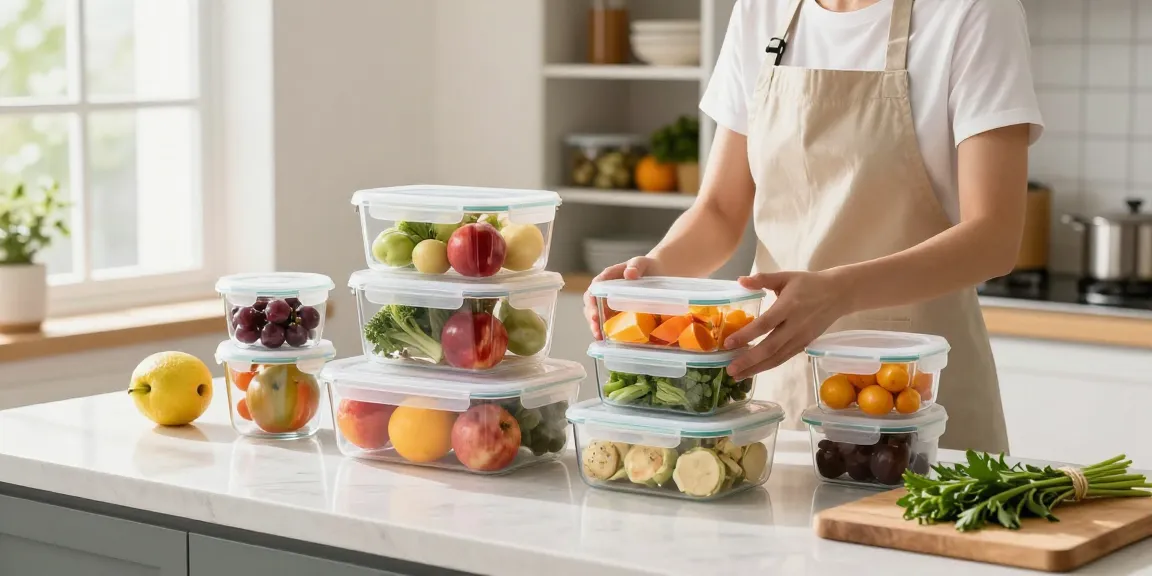
Food storage containers with lids are versatile receptacles designed for storing a variety of food items. They generally consist of two main components: the container base and the accompanying lid. The lid serves to keep the contents secure, preventing spills, and maintaining freshness. Available in materials such as plastic, glass, and metal, these containers can be found in multiple shapes, including round, square, and rectangular, making them suitable for different storage needs.
Types of Food Storage Containers Available
- Plastic Containers: Lightweight and often microwave-safe, plastic containers are popular for their convenience. They usually come with airtight seals and are available in numerous sizes.
- Glass Containers: Highly durable and usually oven and microwave-safe, glass containers are preferred for their ability to withstand temperature changes. Additionally, they are often BPA-free and do not retain odors or stains.
- Metal Containers: Typically used for long-term storage, metal containers are excellent for items that require a dark environment, such as grains and spices. They can also be great for camping or outdoor storage.
- Specialty Containers: These include vacuum-sealed containers that remove air to prolong the freshness of food, and stackable containers designed for maximum space efficiency.
Benefits of Using Food Storage Containers
Utilizing food storage containers with lids offers several advantages:
- Freshness: Airtight seals help in keeping food items fresh by preventing exposure to air and moisture.
- Organization: These containers can be labeled and stacked, promoting a clutter-free kitchen.
- Convenience: Meal prepping becomes easier, allowing users to prepare meals in advance and store them efficiently.
- Food Safety: Many containers are made from food-safe materials, significantly reducing the risk of contamination.
Why Quality Matters in Food Storage Containers
Investing in high-quality food storage containers is vital for ensuring longevity, safety, and efficiency in food preservation. Cheaper options may seem appealing initially, but they often compromise on functionality and durability.
Durability and Material Considerations
When choosing food storage containers, it’s important to consider the materials used. Durable materials such as tempered glass or thick plastic withstand daily usage and temperature changes without warping or cracking. Investing in robust containers will save money in the long run as they need fewer replacements.
Airtight and Leakproof Features
Airtight and leakproof features greatly impact the performance of food storage containers. Containers equipped with silicone seals or locking lids provide excellent airtightness, preventing spills and keeping food fresh for longer periods. This is particularly vital for storing liquids or marinated items.
Impact of BPA and Safety Regulations
As food safety becomes increasingly important, understanding the impact of BPA (Bisphenol A) in plastic containers is crucial. BPA is a chemical found in some plastics that may leach into food. Look for BPA-free labels to ensure you are purchasing safe containers for food storage.
Best Practices for Organizing Your Kitchen with Storage Containers
Properly organizing your kitchen with food storage containers can enhance efficiency and ease of access.
Effective Kitchen Organization Techniques
Start by categorizing your items based on use; for example, group meal prep containers separately from snack-sized storage solutions. This streamlining will save time during meal preparation and cooking.
Labeling and Categorizing Your Containers
Effective labeling is key to a well-organized kitchen. Use clear, waterproof labels to indicate contents and dates, ensuring you know when food items must be used or disposed of. This practice helps minimize food waste.
Utilizing Vertical Space and Stackable Options
Maximize kitchen space by utilizing stackable containers. These options can easily fit in cabinets, freeing up counter space. Additionally, consider multi-compartment containers for a more efficient approach to meal prepping.
Innovative Trends in Food Storage Solutions for 2026
As we look towards 2026, several innovative trends are shaping the food storage landscape.
Emerging Materials and Sustainable Options
Sustainability is becoming a central focus in kitchenware choices. Expect to see food storage containers made from recycled materials or innovative biodegradable options that cater to environmentally conscious consumers.
Smart Technology Integration
Next-generation food storage may integrate smart technology, such as sensors that monitor food freshness or apps that track expiry dates, making meal management more streamlined and efficient.
Design Trends to Enhance Kitchen Aesthetics
Modern consumers are looking for aesthetic appeal in their kitchenware. Containers with stylish designs, colors, and finishes can enhance the kitchen’s overall look while serving their functional purpose.
Frequently Asked Questions About Food Storage Containers
What is the best material for food storage containers with lids?
The best materials for food storage containers include glass and BPA-free plastic, depending on your needs for durability and microwave safety. Glass containers often provide better longevity, while high-quality plastic can be lightweight and versatile.
How can I ensure my food storage containers are airtight?
To ensure airtightness, look for containers that feature silicone seals and locking mechanisms. Testing the seal by pressing down on the lid can also help confirm that it is secure.
What are the benefits of glass versus plastic food storage containers?
Glass containers are typically more durable, do not retain odors, and can withstand higher temperatures. On the other hand, plastic containers are generally lighter and less expensive, making them easier to handle and store.
How should I clean and maintain my food storage containers?
Cleaning food storage containers should be done carefully, especially with glass options that can be fragile. Most containers are dishwasher safe, but always check the manufacturer’s guidelines. Regularly inspect seals and lids for wear and tear and replace them as necessary.
Are there specific containers for different food types?
Yes, there are containers designed specifically for certain food types. For example, some are optimized for liquids, while others are tailored for dry goods or frozen items. Understanding these distinctions can significantly enhance your storage experience.