
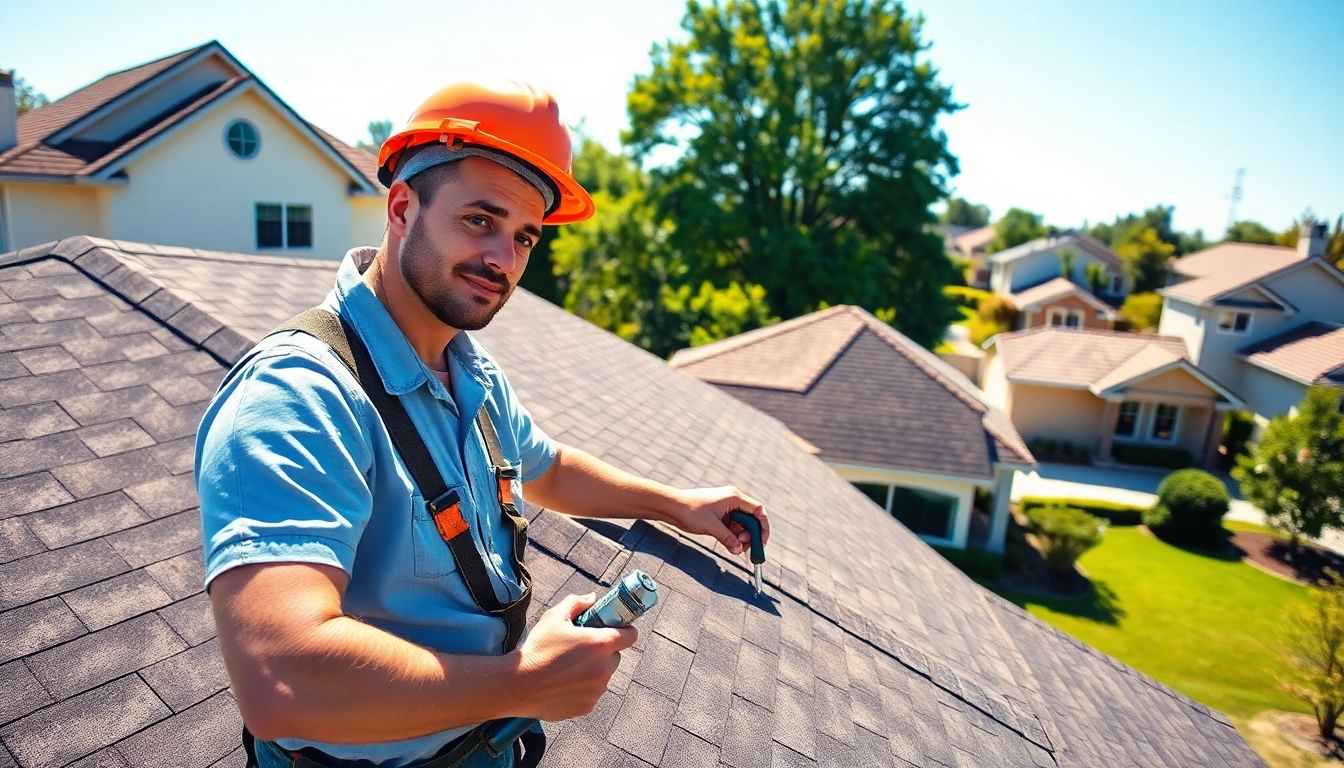
When it comes to maintaining the integrity of your home, one critical aspect often overlooked is the roof. A reliable Roofing contractor plays a vital role in ensuring your roof is up to standard and can withstand the elements. This article delves deep into the multifaceted responsibilities of roofing contractors, the services they offer, how to select the right one, financial considerations, troubleshooting common issues, and much more.
Understanding the Role of a Roofing Contractor
Defining the Responsibilities of a Roofing Contractor
A roofing contractor is not just someone who puts a roof over your head. They are skilled professionals who handle various tasks essential to roof installation, maintenance, and repair. Among their core responsibilities are:
- Inspection: They assess the condition of roofs to identify damages or potential issues.
- Installation: They install new roofs, ensuring proper materials are used according to local building codes.
- Repair: They fix existing roofs, addressing leaks, loose shingles, or any deterioration.
- Maintenance: Regular inspection and maintenance to prevent further damage.
- Consultation: Offering expert advice on materials, styles, and options that fit your needs.
Key Qualifications to Look for
Hiring the right roofing contractor requires more than just a quick search. It’s crucial to look for specific qualifications:
- Experience: Look for contractors with a proven track record and extensive experience in the industry.
- Certifications: Check for relevant certifications from roofing material manufacturers or professional trade associations.
- Skills: A well-rounded skill set is essential for various roofing types, from shingles to metal roofing.
- Communication: Effective communication is critical for clarifying project expectations and timelines.
The Importance of Licensing and Insurance
Licensing and insurance are non-negotiable when selecting a roofing contractor. A valid license ensures that the contractor meets local regulations and standards. Insurance protects you from liability in case of accidents or property damage during the project. Always request documentation to verify these essential credentials.
Common Services Offered by Roofing Contractors
Residential vs. Commercial Roofing Services
The services offered by roofing contractors may vary widely depending on whether they specialize in residential or commercial roofing. Residential roofing focuses on individual homes and typically involves materials like asphalt shingles, tiles, or metal, while commercial roofing often includes larger-scale projects using flat roofs or specialized rubber materials. Understanding the distinction can help you choose the right contractor for your needs.
Maintenance and Repair Services Explained
Regular maintenance and prompt repairs can extend the life of your roof significantly. Common maintenance tasks include:
- Debris Removal: Keeping gutters and roofs clear from leaves, branches, and other debris.
- Regular Inspections: Conducting inspections to catch issues before they become serious.
- Minor Repairs: Addressing small leaks or damage promptly to prevent escalation.
Roof Replacement Process by Your Roofing Contractor
The roof replacement process is intricate and typically involves several stages:
- Assessment: Evaluating the current roof and determining the need for a replacement.
- Material Selection: Discussing options with the homeowner and selecting suitable materials.
- Installation: Removing the old roof and installing the new one, following safety protocols and guidelines.
- Final Inspection: Ensuring that everything is installed correctly and meets local codes before completion.
How to Choose the Right Roofing Contractor
Evaluating Experience and Reputation
In the construction industry, experience can significantly impact the quality of workmanship. Look for contractors with years of experience and a strong reputation in your community. Word-of-mouth recommendations and online reviews can provide valuable insights into their reliability and work quality.
Checking for Customer Reviews and References
Don’t hesitate to ask for references from prior clients. A reputable roofing contractor should be willing to provide contact information for past customers who can vouch for their work. Online platforms like Yelp or Google Reviews can also offer a glimpse into others’ experiences.
Obtaining and Comparing Estimates
Once you have shortlisted potential contractors, request detailed estimates outlining the scope of work, materials, and labor costs. Comparing multiple estimates gives you a comprehensive view of market rates and helps identify potential red flags.
Understanding the Costs Involved with Roofing Services
Breaking Down Roofing Material Costs
The choice of roofing material will significantly affect total project costs. Common materials, from asphalt shingles to slate or metal, have varying price points and longevity. Understand the benefits and drawbacks of each type to make a well-informed decision.
Labor Costs and Their Justifications
Labor costs can often seem high, but they are justified given the expertise required for installation and repair. Skilled laborers can identify potential issues upfront, saving you money in the long run. Consider labor costs when budgeting for roofing projects, as they can account for a considerable portion of the total cost.
Long-Term Financial Benefits of Quality Roofing
Investing in high-quality roofing not only addresses immediate needs but can also lead to significant long-term financial benefits. A durable, well-installed roof can reduce energy costs, enhance property value, and prevent costly repairs down the line. Weighing the initial investment against these long-term benefits is vital.
Troubleshooting Common Roofing Issues
Identifying Signs Your Roof Needs Attention
Being proactive about roof maintenance can prevent significant issues in the future. Common signs that your roof needs attention include:
- Leaking: Water stains on ceilings or walls are clear indicators.
- Missing or Damaged Shingles: Inspect for obvious signs of wear and tear.
- Moss or Algae Growth: This can indicate trapped moisture that may cause damage.
How a Roofing Contractor Can Help with Damage
When signs of damage are identified, a roofing contractor can perform a thorough inspection. They will assess the degree of damage, recommend repair options, and provide estimates for the costs involved. Engaging a professional ensures that repairs are carried out correctly and effectively.
Preventative Measures to Avoid Future Issues
To maintain your roof’s health and avoid costly repairs, consider implementing preventative measures such as:
- Regular Maintenance: Schedule inspections and cleanings at least twice a year.
- Upgrading Materials: Invest in high-quality materials for durability.
- Addressing Issues Promptly: Don’t wait for small issues to turn into massive repairs.
FAQs About Roofing Contractors
What should I ask a roofing contractor before hiring?
Ask about their experience, licensing, insurance, warranties, and references from previous clients.
How can I tell if my roof needs replacing?
Look for missing shingles, sagging areas, water stains inside your home, or increased energy bills.
What are common roofing materials and their costs?
Common materials include asphalt shingles, metal, tile, and wood. Costs vary widely based on materials and installation complexity.
How long does a new roof typically last?
Depending on material and maintenance, most roofs last between 20 to 50 years, with regular upkeep extending their life.
Is insurance coverage necessary for roof repairs?
Yes, it’s crucial for protecting against liability and property damage during repairs or installations; always verify coverage beforehand.