Understanding Paver Patios: What You Need to Know
When it comes to enhancing your outdoor living space, installing a paver patio is one of the most practical and aesthetically pleasing options. These patios are not only functional but also add an element of sophistication and elegance to any property. If you’re searching for a Paver patio near me, understanding the key components and benefits will greatly assist in your decision-making process.
What is a Paver Patio?
A paver patio is an outdoor patio made from individual pieces of hardscaping material, typically referred to as pavers. These can be composed of concrete, brick, or natural stone, and they come in a myriad of shapes, sizes, and colors. Unlike traditional poured concrete patios, paver patios offer versatility in design and a high level of durability, making them a popular choice among homeowners looking to elevate their outdoor spaces.
Benefits of Installing a Paver Patio
- Durability: Pavers are designed to withstand heavy traffic and extreme weather conditions. They won’t crack or fade as quickly as other materials.
- Aesthetic Variety: With an extensive range of styles, colors, and textures available, you can create a stunning patio that complements your home perfectly.
- Low Maintenance: Unlike wood decks, paver patios do not require staining or sealing. Regular cleaning with a hose or power washer keeps them looking fresh.
- Easy Repairs: If a paver becomes damaged or stained, it can be easily replaced without the need to redo the entire patio.
Key Materials Used in Paver Patios
When selecting materials for your paver patio, consider the following options:
- Concrete Pavers: Highly versatile and cost-effective, concrete pavers can mimic the look of stone or brick.
- Brick Pavers: These offer a classic look and are quite durable. They are ideal for traditional and rustic-style homes.
- Natural Stone Pavers: Although they are on the pricier side, natural stones like bluestone or flagstone create a luxurious, unique look.
Choosing the Right Design for Your Paver Patio
The design of your paver patio is critical in determining its overall appeal and functionality. A great design will harmonize with the existing architecture of your home while providing the desired outdoor style.
Popular Styles and Patterns
Some of the most sought-after patterns for paver patios include:
- Herringbone: This classic pattern is visually striking and provides excellent stability.
- Basketweave: A crisscross pattern that adds a unique touch to your outdoor space.
- Random Staggered: This design creates a natural look that can blend seamlessly with landscaping.
Customizing Your Paver Patio
Customization is key to making your patio unique. Consider incorporating features such as:
- Color Palettes: Choose colors that complement your home’s exterior.
- Edging: Create borders using different materials to define sections or highlight features.
- Inlays and Accents: Utilize contrasting pavers to create designs or focal points within your patio.
Integrating Landscaping with Your Paver Design
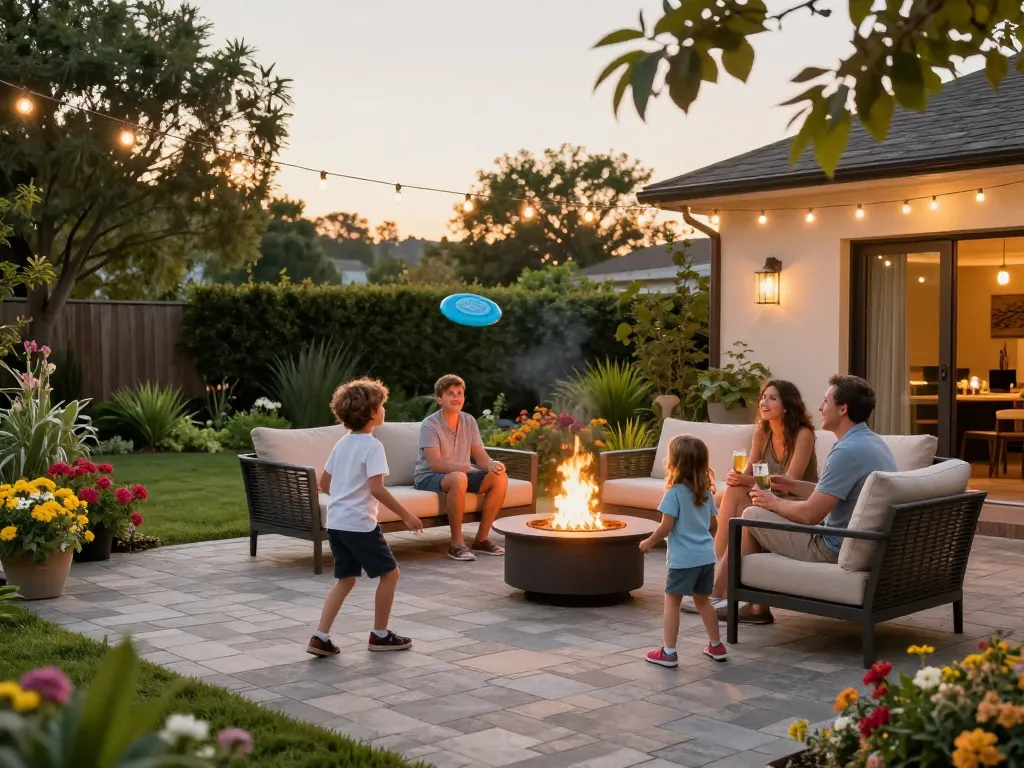
Integrating landscaping elements such as planters, lighting, and paths can enhance the overall aesthetics of your paver patio. Consider adding:
- Flower Beds: These can soften the hardscape and add color and life.
- Outdoor Lighting: Use subtle lighting to highlight features and extend the usability of your patio into the evening.
- Water Features: Fountains or ponds can create a serene environment.
Installation Process: From Concept to Completion
Installing a paver patio involves several steps, each critical to ensuring the longevity and appearance of the patio.
Preparing Your Site for a Paver Patio
The first step is site preparation, which involves clearing the area of debris, marking the boundaries, and ensuring proper grading for drainage. Good preparation is key to a successful installation.
Hiring Professionals vs. DIY Installation
While DIY installation can save money, hiring professionals ensures that the project is completed correctly and efficiently. Professional installers have the experience and knowledge to anticipate and resolve issues that may arise during installation.
Common Challenges in Paver Installation
Some common challenges include:
- Drainage Issues: Poor drainage can lead to water pooling, which may ultimately damage your patio.
- Uneven Surface: If the base is not properly compacted, it may result in an uneven surface over time.
- Material Selection: Choosing the wrong type of pavers for your climate can lead to premature wear.
Maintaining Your Paver Patio for Longevity
Regular maintenance is crucial for prolonging the life and beauty of your paver patio.
Best Practices for Maintenance
- Regular Cleaning: Sweep away debris and clean the surface with a pressure washer as needed.
- Weed Control: Keep the joints clear of weeds which can compromise the patio’s stability.
- Sealing: Applying a sealant every few years will help protect against stains and fading.
Cleaning and Repairing Pavers
For cleaning, a mixture of water and mild detergent works well for removing stains. If pavers crack or chip, replacing individual pieces is straightforward, keeping your patio looking new.
Seasonal Care Tips for Your Patio
- Winter: Remove snow and ice carefully to avoid damaging the pavers.
- Spring: Conduct a thorough spring clean, checking for any damage from winter.
- Summer: Regularly trim surrounding plants to prevent overgrowth and debris accumulation.
Future Trends in Outdoor Living Spaces for 2026
The outdoor living space continues to evolve with new trends and customer preferences.
Innovative Features to Consider
Emerging features that homeowners are considering for 2026 include:
- Smart Technology: Integrating smart lighting and irrigation systems to enhance functionality.
- Multi-Functional Spaces: Designing patios that can accommodate various activities, from dining to cooking and relaxation.
Sustainability in Patio Design
Increasingly, homeowners are prioritizing sustainable materials and designs. Options like permeable pavers can minimize runoff and contribute to an eco-friendly landscape.
Outdoor Technology Integration
From outdoor speakers to heating elements, technology is becoming an integral part of outdoor spaces, enhancing comfort and usability.
How much does a paver patio typically cost?
The average cost to install a paver patio can vary based on size, material, and design complexity, generally ranging from $12,000 to $16,000 for a 400-square-foot area.
What are the best materials for a paver patio?
The best materials include concrete, brick, and natural stone, each offering different aesthetics and durability levels.
Can I install a paver patio myself?
While it’s possible to install a paver patio as a DIY project, professional installation is recommended for optimal results.
How long does a paver patio last?
With proper maintenance, a paver patio can last upwards of 25 years, making it a worthwhile investment.
What styles of paver patios are trending in 2026?
Trending styles for paver patios include contemporary linear designs, natural stone aesthetics, and bold color combinations that make a statement.