
Understanding Haulage: The Backbone of Express Logistics
In the dynamic world of logistics, haulage serves as a fundamental pillar supporting timely and efficient transportation of goods. As industries grow and evolve, the need for rapid and reliable transport solutions becomes increasingly critical. This necessity is particularly evident in sectors that demand just-in-time deliveries, where the slightest delay can result in significant financial repercussions. Among the leaders in this domain is Bennison Transport, a company that specializes in UK and European express logistics, available around the clock. When exploring options, Haulage provides comprehensive insights into the myriad of services available.
What is Haulage?
Haulage refers to the transportation of goods from one location to another, utilizing various types of vehicles suited to specific load requirements. This process encompasses multiple logistics solutions ranging from small parcel deliveries to large freight shipments. Businesses often rely on haulage services for their flexibility, speed, and reliability. The logistics industry is diverse, covering a spectrum of services including local deliveries, long-distance transport, and specialized handling of sensitive items.
Key Benefits of Efficient Haulage Services
- Speed: Efficient haulage services can drastically reduce delivery times, enabling businesses to meet tight deadlines.
- Cost-Effectiveness: Streamlined haulage operations minimize overhead costs, which can translate to lower prices for customers.
- Flexibility: With a variety of vehicles adapted for different types of loads, companies can select solutions tailored to their specific needs.
- Reliability: Established haulage companies often have proven track records, ensuring that deliveries are made on time and in good condition.
Common Myths about Haulage Explained
Despite the advancements in the haulage industry, several misconceptions persist. One common myth is that all haulage services are expensive. In reality, many companies, including Bennison Transport, offer competitively priced options that provide excellent value. Another misconception is that all logistics services operate during business hours; however, many providers offer 24/7 services to accommodate urgent demands. Understanding these myths can help businesses make informed decisions when selecting transport solutions.
The Importance of Time-Critical Transport
In an increasingly competitive market, businesses cannot afford to overlook the significance of time-critical transport. The demand for rapid delivery services is on the rise, as customers expect real-time tracking and prompt service.
How Speed Impacts Customer Satisfaction
Speed is a crucial factor influencing customer satisfaction. Delays in delivery can lead to customer dissatisfaction and potential loss of business. Companies that utilize haulage services know that timely deliveries strengthen relationships and encourage repeat orders. In the context of express logistics, every minute counts; hence, testing the efficiency of different transport avenues can have immediate repercussions for business performance.
24/7 Haulage Operations: Meeting Demands
The necessity for 24/7 haulage operations is ever-growing, especially for businesses dealing in perishable goods, medical supplies, and manufacturing. Having a logistics partner that operates around the clock ensures that urgent requests are fulfilled without interruption. With Bennison Transport’s commitment to 24/7 availability, clients can rest assured that their urgent transportation needs will always be met promptly.
Technology Enhancements in Time-Critical Transport
Technological advancements have played a transformative role in optimizing haulage services. Real-time tracking systems, AI route optimization, and automated scheduling are just a few examples of how technology enhances efficiency. These advancements not only improve operational effectiveness but also provide clients with transparency and confidence in their supply chain process.
Choosing the Right Vehicle for Your Haulage Needs
Selecting the correct vehicle for your haulage requirements can have a significant impact on cost efficiency and delivery effectiveness. Different cargo types necessitate various transportation solutions.
Van Options: Small to Extra-Long Vehicles
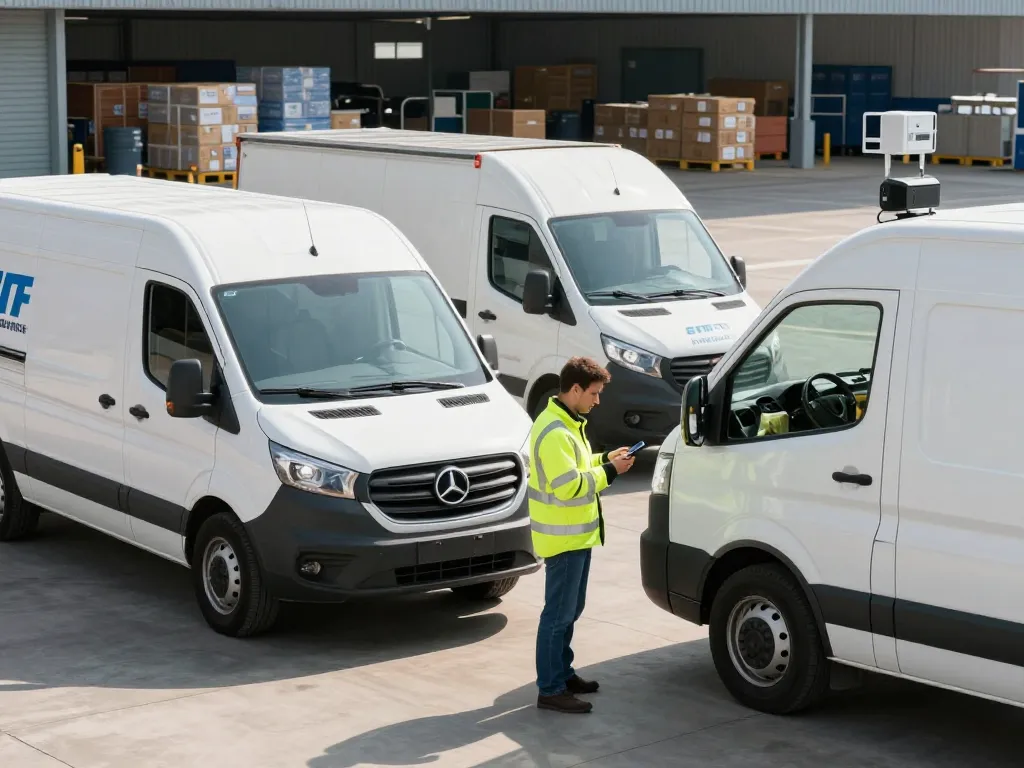
For smaller loads, options range from compact vans to extra-long vehicles, enabling businesses to scale their delivery capabilities up or down as needed. Each type of van offers unique advantages, such as accessibility in urban areas or enhanced cargo space for larger shipments.
Heavy Vehicles: 7.5 Tonne to Artic Lorries
For heavier loads or bulk deliveries, companies can utilize 7.5 tonne trucks up to articulated lorries. These vehicles are particularly effective for long-distance transportation and can handle complex logistics needs, ensuring that even the heaviest shipments arrive safely and on schedule.
Factors to Consider When Selecting a Vehicle
When determining which vehicle is best suited for your haulage needs, consider the following:
- Load Size: Assess the dimensions and weight of your cargo to select an appropriate vehicle.
- Distance: Longer distances may require vehicles equipped with better fuel efficiency and comfort for drivers.
- Type of Goods: Specialized cargo like fragile items or perishable goods may require specific vehicle characteristics to ensure safety.
Tracking and Safety in Haulage
Safety and accountability are paramount in the haulage industry. As such, vehicle tracking and insurance considerations are critical elements for successful logistics management.
Why Vehicle Tracking is Essential
Using GPS tracking allows both the logistics provider and the client to monitor the shipment in real-time. This transparency decreases the chances of theft and loss while enhancing customer trust in the logistics process. Moreover, immediate alerts on delays or issues enable proactive management.
Insurance Considerations for Haulage Services
Understanding the insurance policies that protect both the cargo and the vehicle is vital. Some providers offer comprehensive coverage options that ensure financial protection against loss or damage during transit. It’s essential to clarify these details before commencing a shipment.
Best Practices for Ensuring Shipment Safety
- Always use secured and well-maintained vehicles for transportation.
- Ensure proper loading techniques to avoid cargo shifting during transit.
- Conduct regular safety audits on drivers and equipment.
Future Trends in Haulage for 2026 and Beyond
As we look to the horizon, several trends are poised to redefine the haulage industry over the next few years.
Emerging Technologies Revolutionizing Haulage
Technological innovations such as autonomous vehicle technology and further advancements in logistics software will profoundly impact the haulage sector. These trends promise enhanced efficiency and the potential to reduce operational costs.
Sustainability Practices in the Transport Sector
With an increasing focus on environmental stewardship, transport companies are exploring greener alternatives, such as electric vehicles and optimized routing to minimize carbon footprints. Sustainable practices will become essential for meeting regulatory demands and consumer preferences.
Preparing for Future Challenges in Logistics
Anticipating future challenges, such as supply chain disruptions or shifts in regulatory landscapes, is crucial for businesses. Strategic planning and flexibility can enhance resilience against unforeseen events.
What are the benefits of timely haulage services?
Timely haulage services ensure that businesses can meet customer demands and maintain operational efficiency. They enhance customer satisfaction and contribute to building long-term partnerships with clients.
How can I ensure the safety of my goods during transportation?
To secure the safety of your goods, use reputable haulage services that employ tracking technologies and comprehensive insurance coverage. Additionally, maintaining good communication with your logistics provider can help address concerns proactively.
What types of vehicles are best for different haulage needs?
The best type of vehicle for haulage depends on factors such as load size, weight, and specific requirements of the goods being transported. Engage with your logistics partner to find the most appropriate solutions.
How does technology improve haulage efficiency?
Technology improves haulage efficiency through route optimization, real-time tracking, and data analytics that inform operational decisions, ultimately leading to cost savings and improved service delivery.
What trends should I be aware of in the haulage industry for 2026?
Key trends to watch include advancements in electric and autonomous vehicles, heightened sustainability practices, and a greater emphasis on digital solutions for tracking and logistics management.